Key Takeaways
- Inground pool cost in Pennsylvania averages between $40,000 and $100,000 depending on size and materials.
- Pennsylvania’s climate limits pool use to roughly 4–5 months per year, affecting overall value.
- Licensed pool builders in Pennsylvania must meet state and local permitting requirements.
- Planning for realistic annual pool maintenance costs in PA ensures ongoing expenses—maintenance, heating, and insurance—stay within your $3,000 to $7,000 or more annual budget.
- Pools can increase home value by 5–8%, but only in neighborhoods where buyers expect them.
- Hiring vetted, professional pool contractors in PA is critical to avoid costly construction mistakes.

Is an Inground Pool a Smart Investment for Pennsylvania Homeowners?
If you’ve spent summers watching your kids sprint through a sprinkler while the neighbor’s pool glitters in the heat, you’ve probably wondered: is it finally time to build? For Pennsylvania homeowners, the answer isn’t as simple as signing a check and choosing a tile color. The inground pool cost in Pennsylvania carries real weight—financially, logistically, and seasonally.
This article breaks down everything you need to know: what you’ll spend, what you’ll gain, what local builders charge, and the seven mistakes too many PA homeowners make before the first shovel hits the ground. Whether you’re comparing custom inground pool construction quotes or just starting your research, this guide gives you the full picture.
What Does an Inground Pool Cost in Pennsylvania?
The total inground pool cost in Pennsylvania varies based on pool type, size, site conditions, and the contractor you choose. According to industry data from the Association of Pool & Spa Professionals (APSP) and HomeAdvisor’s cost research, Pennsylvania homeowners can expect to invest the following:
| Pool Type | Average Cost Range | Durability | Customization |
|---|---|---|---|
| Vinyl Liner | $35,000 – $65,000 | Moderate (liner replaces every 7–12 yrs) | Medium |
| Fiberglass | $45,000 – $85,000 | High (no liner replacement needed) | Limited by shell shape |
| Concrete/Gunite | $65,000 – $120,000+ | Very High (50+ years) | Fully custom |
These figures reflect pool construction only. Add-ons such as decking, fencing, lighting, and water features can push the total significantly higher. Before deciding on a material, review a thorough fiberglass vs. concrete pool comparison to understand long-term durability and upkeep differences.
Many homeowners working with local pool installation experts report that a complete backyard transformation—including landscaping and hardscaping—runs $15,000 to $40,000 beyond the base pool price.
Hidden and Ongoing Costs to Budget For
Beyond the sticker price, residential pool installation services come with a long tail of recurring expenses. Before committing, factor in:
- Annual maintenance and chemical costs: $1,500 – $3,500. Following the CDC guidelines for healthy pool maintenance ensures safe, balanced water year-round.
- Opening and closing services (winterization in PA is non-negotiable): $500 – $1,200/year. Implementing essential Pennsylvania pool winterization tips prevents costly freeze damage during our harsh winters.
- Heating (gas or heat pump): $1,200 – $3,000/season
- Homeowner’s insurance increase: $300 – $1,000/year
- Repairs and liner replacement over time: Variable
- Increased water and electric utility bills: $500 – $1,500/year
Pennsylvania’s four-season climate means your pool will be functional for roughly 20–22 weeks per year. That’s a key number to hold in mind when calculating value per dollar spent.
7 Mistakes to Avoid When Building an Inground Pool in Pennsylvania
Many homeowners look back and wish they’d known what to avoid. Here are the seven most common—and costly—mistakes PA pool buyers make:
- Skipping the permit process. Pennsylvania requires building permits for inground pools in virtually every municipality. Refer to a Pennsylvania pool permit and regulation checklist to ensure full compliance. Unlicensed or unpermitted pools can create serious title issues when you sell.
- Choosing a contractor based on price alone. The lowest bid is rarely the best value. Always check pool builder reviews in Pennsylvania and verify licensing.
- Ignoring soil and site conditions. Rocky Pennsylvania terrain can dramatically increase excavation costs. Proper yard preparation for pool installation starts with a thorough site assessment first.
- Underestimating the operating budget. Many buyers focus on the build cost and forget that the annual upkeep represents a genuine ongoing commitment.
- Skipping the fence requirement. Pennsylvania law (and most municipal codes) requires a barrier around residential pools. Failing to plan for this adds cost and delays.
- Not vetting contractor credentials. Always work with licensed pool builders in Pennsylvania who are insured and registered with state and local authorities.
- Overbuilding for the neighborhood. A $120,000 gunite pool in a neighborhood where homes sell for $250,000 will not return its cost. Match the investment to the market.
How to Choose the Right Pool Builder in Pennsylvania: A Step-by-Step Guide
Finding the right professional pool contractors in PA takes more than a Google search. Our Pennsylvania pool builder buyer’s guide outlines the exact steps to protect your investment:
- Define your budget and wishlist before making any calls. Know your must-haves versus nice-to-haves.
- Get at least three written quotes from different inground pool companies near you. Compare scope, not just price.
- Verify licenses and insurance. The best inground pool contractors in PA carry general liability insurance and are registered with the Pennsylvania HIC contractor registry.
- Read verified customer reviews and project photos on Google, Houzz, and the Better Business Bureau.
- Ask for references from past projects completed in PA. especially in your county, since soil conditions and permit requirements vary.
- Review the contract line by line. Confirm what’s included: excavation, decking, fencing, permits, and warranty terms.
- Request a site walk-through before signing. Any contractor worth hiring will want to assess your yard before locking in a price.
If you need a fully custom design with unique shapes, water features, or integrated spas, choose a concrete or gunite contractor with custom inground pool construction experience. If you need a faster installation with lower upfront cost, a fiberglass option from an established residential pool installation service may serve you better.
Pros and Cons of Building an Inground Pool in Pennsylvania
| Pros | Cons |
|---|---|
| Adds lifestyle value and family enjoyment | Limited swimming season (~4–5 months) |
| Can increase home resale value by 5–8% | High upfront cost ($40K–$120K+) |
| Creates a private outdoor retreat | Ongoing annual expenses of $3K–$7K+ |
| Supports exercise and wellness goals | Requires regular maintenance commitment |
| Differentiates your home in the market | Increases insurance and utility costs |
| Increases outdoor entertaining capacity | Permitting and inspection requirements |
Do’s and Don’ts for PA Pool Buyers
| DO | DON’T |
|---|---|
| Work with licensed pool builders in Pennsylvania who carry HIC registration | Skip the site assessment—Pennsylvania soil varies widely and surprises are expensive |
| Budget for winterization, maintenance, and utilities from day one | Sign a contract without a detailed scope of work and warranty clause |
| Pull all required local and state permits before breaking ground | Choose a contractor based solely on price or speed |
| Compare at least three quotes from reputable inground pool companies near you | Assume your HOA or municipality has no restrictions—always verify |
| Install energy-efficient heating and pumping systems to reduce operating costs. The U.S. Department of Energy pool heating efficiency guide offers proven strategies to lower seasonal utility bills. | Overbuild for your neighborhood’s price point |
What PA Homeowners Actually Spend
Consider a family in Chester County, Pennsylvania who decides to install a 16×32 fiberglass pool with a modest patio and vinyl privacy fence. They receive three quotes ranging from $68,000 to $81,000. After verifying credentials and checking pool builder reviews in Pennsylvania, they choose the mid-range contractor at $74,500.
Their first-year operating costs—chemicals, opening, heating, and a small liner repair—come to just under $4,200. They use the pool from late May through September. For this family, the math works. They were planning to stay in the home long-term, their neighborhood supported the investment, and they prioritized family enjoyment over ROI.
Their home, re-appraised two years later, showed a modest increase—though their real estate agent noted that pools are now an expectation rather than a differentiator in many Chester County communities. If you are planning to sell in 1–3 years, a pool may not recoup its cost. If you plan to stay 7+ years and your market supports it, the lifestyle and equity value can make the investment worthwhile.
Quick Answers – Frequently Asked Questions
How much does an inground pool cost in Pennsylvania?
A: Most homeowners in Pennsylvania spend between $40,000 and $100,000 for the pool itself, with total project costs—including decking, fencing, and landscaping—often reaching $80,000 to $150,000 or more.
Does an inground pool add value to a home in PA?
A: Yes, but the amount varies. Industry sources suggest pools can increase home value by approximately 5–8% in markets where buyers expect them. In cooler or rural areas of Pennsylvania, the return may be lower.
How long is pool season in Pennsylvania?
A: Most PA homeowners use their pools from late May to mid-September—roughly 16 to 22 weeks. Heating systems can extend this by 4–6 weeks on either end of the season.
Do I need a permit to build a pool in Pennsylvania?
A: Yes. Building permits are required by most Pennsylvania municipalities, and pools must comply with local zoning and safety codes, including fencing and barrier requirements. Work with a licensed contractor who handles the permitting process.
What is the cheapest inground pool option in Pennsylvania?
A: Vinyl liner pools typically have the lowest upfront cost, starting around $35,000–$45,000 for a basic installation. However, liner replacement every 7–12 years adds long-term cost.
How do I find the best inground pool contractors in PA?
A: Check the Pennsylvania Attorney General’s Home Improvement Contractor registry, read Google and BBB reviews, request references, and get at least three competitive quotes. Always verify licensing and insurance before signing.
How much does pool maintenance cost per year in Pennsylvania?
A: Annual maintenance—including chemicals, opening, closing, and routine repairs—generally runs between $2,500 and $5,000 per year, depending on pool type, size, and whether you hire professional services.
Is a fiberglass or concrete pool better for Pennsylvania weather?
A: Both perform well in PA when properly maintained. Fiberglass pools install faster and require less chemical maintenance. Concrete (gunite) pools are fully customizable and extremely durable, but cost more and require longer curing times.
Can I finance an inground pool in Pennsylvania?
A: Yes. Many professional pool contractors in PA offer financing options, and homeowners can also use home equity loans, HELOCs, or personal loans. Compare financing terms carefully before committing.
What mistakes should I avoid when hiring a pool builder in PA?
A: Avoid selecting contractors based on price alone, skipping permit verification, ignoring site conditions, and failing to review the full contract scope. Always work with licensed pool builders in Pennsylvania who carry proper insurance.
Glossary of Terms
Gunite
A form of sprayed concrete used in custom inground pool construction. It allows pools to be built in virtually any shape and is known for exceptional durability and a long lifespan.
Winterization
The process of preparing a pool for Pennsylvania’s cold months by draining lines, adding anti-freeze, covering the pool, and shutting down equipment to prevent freeze damage.
HIC Registration
Home Improvement Contractor registration, required by Pennsylvania law for contractors performing home improvement work above a certain dollar threshold. Always verify a pool builder’s HIC status before hiring.
Vinyl Liner
A flexible, custom-fitted sheet that forms the interior surface of some inground pools. Liners are durable and come in many patterns, but typically need replacement every 7–12 years.
Is an Inground Pool Right for Your Pennsylvania Home?
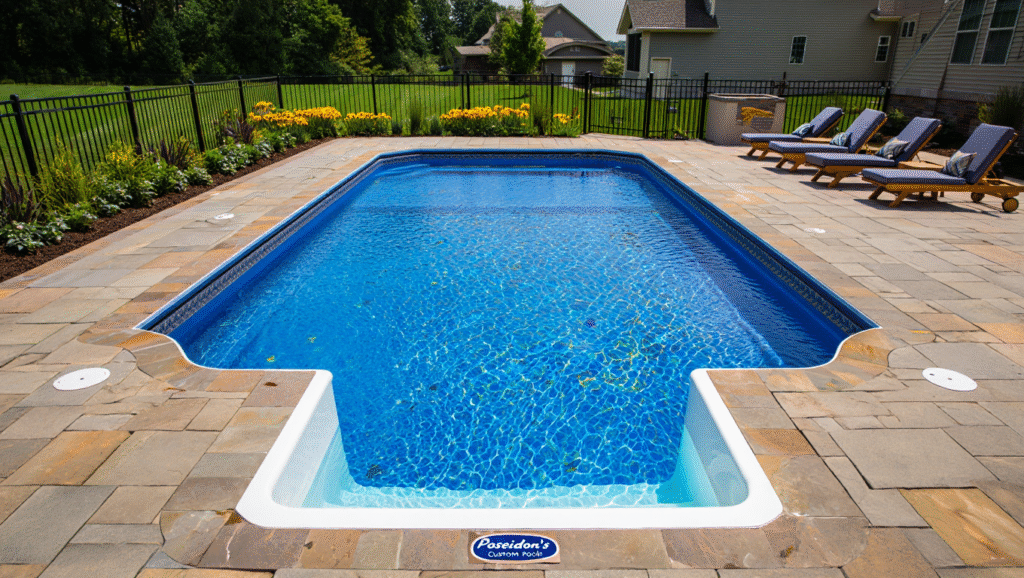
Building an inground pool in Pennsylvania is a significant investment—financially, logistically, and in terms of ongoing commitment. The inground pool cost in Pennsylvania can be justified when the numbers align with your neighborhood, your lifestyle, and your long-term plans for the home.
If you’re serious about moving forward, start by connecting with licensed pool builders in Pennsylvania who have local experience, verifiable reviews, and the credentials to handle your project from permit to pool party. Get multiple quotes, ask the hard questions, and avoid the seven common mistakes that cost PA homeowners thousands.
Ready to take the next step? Contact a vetted local pool installation expert today for a free site assessment and quote. The best time to plan your pool is now—before the summer rush begins.