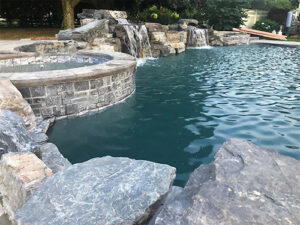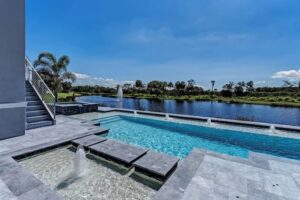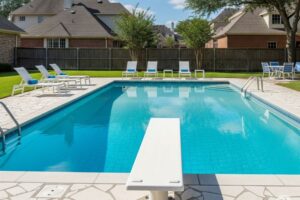
A backyard pool is one of the largest investments a homeowner can make. In Pennsylvania, where weather, local soil conditions, and municipal zoning vary widely from Philadelphia to Pittsburgh to the Pocono Mountains, selecting the right professional for the job is especially important. The best rated pool builders in Pennsylvania understand these regional differences and know how to navigate them efficiently. This guide covers everything you need to know: how to evaluate inground pool contractors PA, what questions to ask, seven mistakes homeowners commonly make, and a comparison of the main pool types available. Whether you are searching for inground pool companies near me or looking for a specialized custom inground pool construction team, the information below will help you make a confident, well-informed decision.
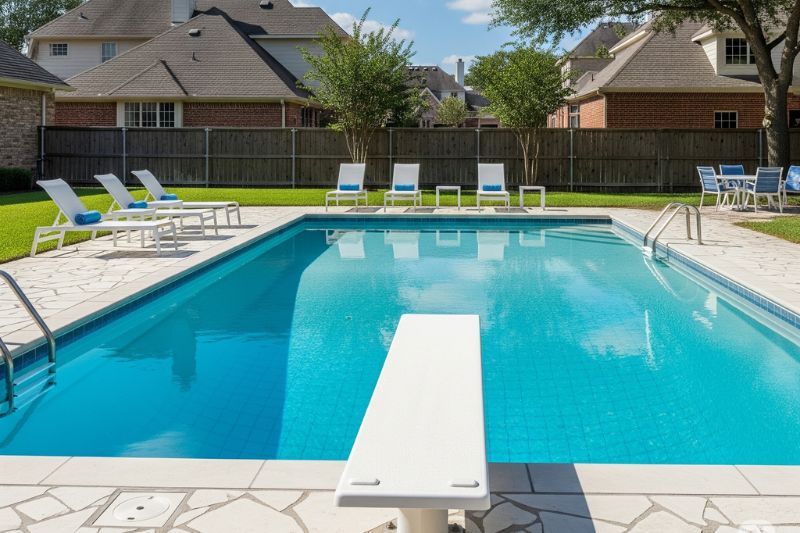
KEY TAKEAWAYS
• The best rated pool builders in Pennsylvania are licensed, insured, and locally experienced.
• Always verify a contractor’s PA Home Improvement Contractor (HIC) registration before signing.
• For a full breakdown, review the detailed inground pool costs in Pennsylvania, which typically range from $35,000 to $100,000+.
• Choosing a local pool builder ensures knowledge of PA zoning, permits, and soil conditions.
• Avoid seven common mistakes homeowners make when hiring residential pool installation services.
• Custom inground pool construction timelines vary by complexity, season, and permit approval.
What Makes a Pool Builder ‘Best Rated’ in Pennsylvania?
Not all pool builders are created equal. A contractor may have a polished website but limited experience with the geological and regulatory conditions specific to Pennsylvania. Here is what separates top-tier licensed pool builders Pennsylvania from the rest:
Core Criteria to Evaluate
PA HIC Registration: Pennsylvania requires all home improvement contractors to register with the Attorney General’s Office under the Home Improvement Consumer Protection Act. Always verify their registration via the Pennsylvania Attorney General’s database before signing any contract.
Liability Insurance and Workers’ Compensation: Reputable professional pool contractors PA carry both. Ask for proof of coverage before work begins.
Local Experience: A builder familiar with PA-specific soil profiles, freeze-thaw cycles, and municipal permit processes can prevent costly mistakes before they happen.
Verified Reviews: Look for pool builder reviews Pennsylvania on platforms such as Google, Houzz, and the Better Business Bureau. Prioritize contractors with a pattern of 4-star or higher ratings over time.
Portfolio of Completed Projects: Ask to view our portfolio of before-and-after projects and, if possible, request references from past customers in your region.
Manufacturer Certifications: Certifications reflecting the leading industry standards set by the Pool & Hot Tub Alliance (PHTA) indicate ongoing industry training and commitment to quality.
Comparing Pool Types: Which Is Right for Your Pennsylvania Backyard?
The type of pool you choose affects cost, maintenance, and long-term value. The table below compares the three main options for residential pool installation services in PA.
| Pool Type | Average Cost (PA) | Lifespan | Maintenance Level | Best For |
|---|---|---|---|---|
| Vinyl Liner | $35,000 – $55,000 | 20–30 years | Moderate | Budget-conscious homeowners |
| Fiberglass | $45,000 – $75,000 | 25–35 years | Low | Low-maintenance preference |
| Concrete / Gunite | $60,000 – $100,000+ | 50+ years | High | Custom inground pool construction |
Industry sources including the Pool & Hot Tub Alliance and the National Plasterers Council note that concrete pools offer the highest level of customization and durability, while fiberglass pools are increasingly popular among Pennsylvania homeowners seeking a lower-maintenance option. To understand the nuances, read our comprehensive comparison of gunite and fiberglass pools.
7 Mistakes to Avoid When Hiring Pool Builders in Pennsylvania
Many homeowners make avoidable errors that cost thousands of dollars and months of delay. Here are the most common pitfalls — and how to sidestep them.
• Mistake 1: Not verifying the contractor’s HIC registration. Pennsylvania’s Home Improvement Consumer Protection Act mandates registration. An unregistered contractor offers you no legal protection if something goes wrong.
• Mistake 2: Accepting the lowest bid without scrutiny. A quote significantly below others often signals cut corners, substandard materials, or lack of insurance. Compare scope, materials, and warranty terms — not just the bottom line.
• Mistake 3: Skipping the permit process. Pool construction in Pennsylvania requires building permits issued by your municipality. Any licensed pool builders Pennsylvania will pull the permits for you. Never work with a contractor who suggests skipping this step; instead, focus on navigating the building permit process correctly.
• Mistake 4: Not asking about subcontractors. Some pool companies subcontract excavation, electrical, or plumbing work. Find out who will be on your property and whether all subcontractors are also properly licensed and insured.
• Mistake 5: Ignoring the payment schedule. Avoid contractors who demand a large upfront payment (more than 10–15%). A typical payment structure ties installments to project milestones.
• Mistake 6: Overlooking warranty details. Understand what is covered and for how long. Reputable residential pool installation services typically offer separate warranties on structure, equipment, and finish.
• Mistake 7: Not planning for ongoing costs. Pool ownership includes chemical maintenance, winterization, equipment upkeep, and utility costs. Industry experts suggest budgeting $1,500–$3,000 annually; see our guide on annual pool maintenance costs in PA for realistic expectations.
Step-by-Step: How to Hire the Best Pool Builder in Pennsylvania
- Define your goals and budget. Determine the pool type, size, and any special features (spa, water features, automation) before contacting contractors.
- Research local options. Search for inground pool companies near me, check the Pool & Hot Tub Alliance’s contractor locator, and ask neighbors for referrals.
- Verify credentials. Confirm PA HIC registration through the Pennsylvania Attorney General’s website and request proof of current insurance.
- Request detailed written quotes from at least three contractors. Each quote should specify materials, timeline, payment schedule, and warranty terms. When ready, you can request your custom quote directly from our team.
- Check pool builder reviews Pennsylvania on Google, Houzz, and the BBB. Look for patterns — both positive and negative — across multiple reviews.
- Interview your top two or three candidates. Ask about their experience with your preferred pool type, their permit process, and who handles subcontracted work.
- Review the contract carefully. Ensure all verbal promises are in writing before signing. Consider having an attorney review any contract over $25,000.
- Monitor progress and maintain communication. Request regular updates and conduct a walk-through inspection at each project milestone.
Pros and Cons: Hiring a Local PA Pool Builder vs. a National Chain
| Factor | Local PA Pool Builder | National Chain |
|---|---|---|
| Regional knowledge | Strong — familiar with PA zoning, soil, climate | Variable — may lack local expertise |
| Pricing | Competitive; no franchise overhead | Higher overhead may raise costs |
| Accountability | Reputation tied to local community | Corporate escalation process |
| Customization | High — tailored to your yard | Often template-based designs |
| Availability | May have longer wait lists in peak season | Larger staffing resources |
| Warranty support | Local follow-up is faster | May rely on national call centers |
If you need consistent brand accountability and a large corporate warranty program, a national chain may be appropriate. If you prefer a contractor who knows Pennsylvania permit offices by name and can visit your property quickly, a local pool installation expert is typically the stronger choice.
Do’s and Don’ts When Working With Pool Contractors in PA
Do
- Do ask for a written, itemized contract before any work begins.
- Do verify your homeowner’s insurance covers pool liability before construction starts.
- Do check with your municipality about setback requirements and fence regulations.
- Do request a soil assessment if your yard has known drainage issues.
- Do get the contractor’s cell number for direct communication throughout the project.
Don’t
- Don’t pay more than 10–15% upfront without a specific milestone tied to the payment.
- Don’t allow work to begin without confirmed permits from your local building office.
- Don’t make final payment until every punch-list item has been completed to your satisfaction.
- Don’t overlook the need for a safety fence — PA law requires barriers around residential pools. Review our guide on essential pool safety features and barrier laws to ensure compliance.
- Don’t base your final decision on price alone — experience and accountability matter more.
Real-World Scenario: A Philadelphia Suburb Pool Project (Hypothetical)
Consider Montgomery County homeowners who wanted a 16×32 fiberglass pool with a built-in spa. After searching ‘inground pool companies near me,’ they received three quotes ranging from $52,000 to $74,000. They chose the mid-range contractor — not the cheapest — after confirming the builder’s PA HIC number, checking online reviews on Google and Houzz, and speaking with two past customers. The project required permits from the local township (secured by the contractor) and a soil drainage assessment due to a slight slope in the yard. Construction was completed in approximately 10 weeks. The homeowner noted that the contractor’s familiarity with local permit offices reduced the approval timeline by nearly two weeks compared to what had been quoted by an out-of-state builder. This hypothetical scenario reflects the kind of benefit that comes from selecting experienced, local pool installation experts — a smoother permitting process, better regional knowledge, and a stronger accountability relationship.
Frequently Asked Questions
1. How do I find the best rated pool builders in Pennsylvania?
Search online directories, ask for referrals from neighbors, and verify contractor credentials through the Pennsylvania Attorney General’s Home Improvement Contractor registry. Cross-reference with pool builder reviews Pennsylvania on Google and the Better Business Bureau.
2. What licenses do pool builders need in Pennsylvania?
Pennsylvania requires all home improvement contractors to register as a Home Improvement Contractor (HIC) with the Attorney General’s Office. Additionally, any electrical or plumbing work must be performed by licensed tradespeople. Always ask for documentation before work begins.
3. How much does an inground pool cost in Pennsylvania?
Costs vary by pool type and region. Vinyl liner pools typically start around $35,000, fiberglass around $45,000, and concrete or gunite pools from $60,000 to over $100,000. For a deeper dive, check our guide on detailed inground pool costs in Pennsylvania. Additional costs include landscaping, fencing, permits, and ongoing maintenance.
4. How long does inground pool construction take in PA?
Most residential installations take between 8 and 16 weeks from permit approval to completion, depending on pool type, weather, and contractor workload. Concrete pools generally take longer than fiberglass due to curing time.
5. Do I need a permit to build a pool in Pennsylvania?
Yes. Virtually all Pennsylvania municipalities require a building permit for inground pool construction. Your contractor should handle permit applications as part of the project scope. Never work with a contractor who suggests bypassing this requirement.
6. What is the best time of year to install a pool in Pennsylvania?
Spring and early summer are the most popular windows for starting construction, allowing the pool to be ready for use by mid-summer. Fall installations are also possible and can sometimes secure shorter wait times from busy contractors.
7. What questions should I ask a pool contractor before hiring?
Ask about their PA HIC registration number, proof of liability insurance and workers’ compensation, their experience with your preferred pool type, who handles permitting, whether any work is subcontracted, and the specifics of their warranty coverage.
8. What is the difference between a gunite and fiberglass pool?
Gunite (a form of concrete) pools are built on-site and fully customizable in shape and size. Fiberglass pools are pre-manufactured shells installed in a pre-dug hole. Gunite pools last longer but require more maintenance; fiberglass pools are faster to install and easier to maintain. Learn more about the key differences between gunite and fiberglass pools.
9. How do I verify a pool contractor’s credentials in PA?
Visit the Pennsylvania Attorney General’s website to search their Home Improvement Contractor database. You can search by contractor name or HIC registration number. Always ask for the registration number directly from the contractor before you search.
10. Can I finance an inground pool in Pennsylvania?
Yes. Many professional pool contractors PA offer financing options through third-party lenders. Homeowners may also consider home equity loans or home equity lines of credit (HELOCs), which often carry lower interest rates than personal loans for large projects.
Glossary of Terms
HIC Registration: Short for Home Improvement Contractor Registration, this is a mandatory certification issued by the Pennsylvania Attorney General’s Office that legitimizes contractors performing home improvement work valued at $500 or more.
Gunite: A construction technique in which a dry concrete mix is sprayed through a hose and combined with water at the nozzle, creating a dense, durable shell used in custom inground pool construction.
Fiberglass Pool: A pre-manufactured pool shell made from layers of fiberglass and resin, transported to the installation site and lowered into an excavated hole; valued for its smooth surface and low maintenance requirements.
Setback Requirement: A zoning regulation that specifies how far a structure (such as a pool) must be positioned from a property line, easement, or other boundary; varies by Pennsylvania municipality.

Conclusion: Making the Right Choice for Your Pennsylvania Pool Project
Building an inground pool is a significant financial and lifestyle decision. Choosing from the best rated pool builders in Pennsylvania means going beyond a website and a handshake. It means verifying credentials, comparing detailed quotes, reading verified reviews, and asking the right questions before anyone breaks ground. Pennsylvania’s specific climate, zoning environment, and regulatory framework make local expertise not just a preference but a practical advantage. A contractor who regularly works in your county will understand permit timelines, soil challenges, and regional inspectors in ways that a distant or less-experienced builder simply cannot match. Ready to get started? Request your custom quote from at least three licensed PA pool builders, verify their HIC registration, and ask every question on this page. Your dream pool — built right, on time, and within budget — is within reach.