Key Takeaways
- Inground pool cost in Pennsylvania typically ranges from $40,000 to $120,000+ depending on material and county.
- Concrete pools cost the most; vinyl-liner pools are usually the most budget-friendly starting point.
- County permit rules, soil type, and yard access can swing your total by thousands.
- Every legitimate builder must register under HICPA with the PA Attorney General’s Office.
- Fencing, decking, and heating are separate line items most homeowners underestimate.
- Getting three itemized quotes is the single best way to protect your budget.
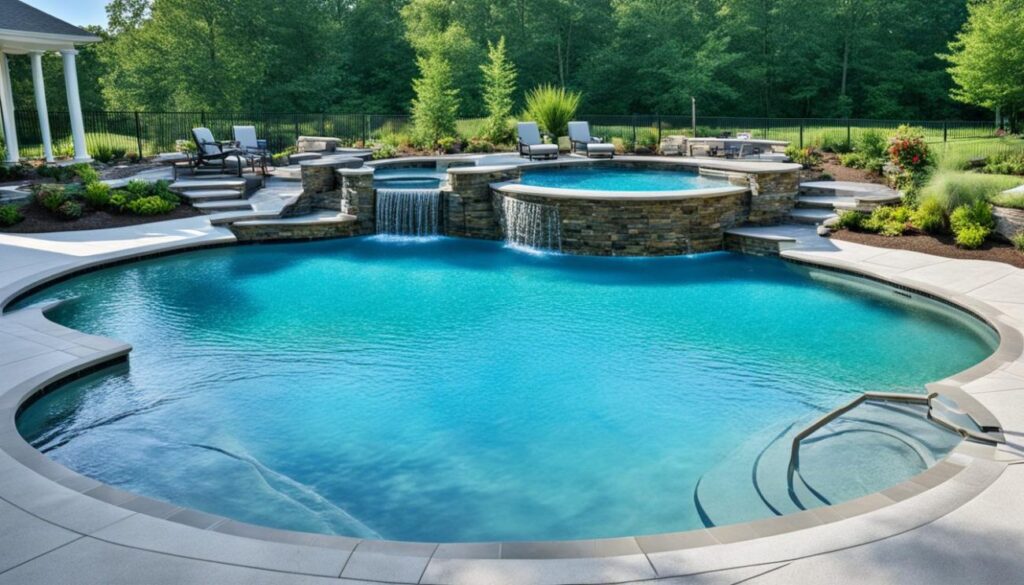
If you are budgeting a backyard project this year, the first number you need is a realistic inground pool cost for your specific part of Pennsylvania. Statewide averages hide a lot, because a pool in suburban Chester County rarely costs the same as one built into rocky terrain in the Poconos.
This guide breaks down what homeowners across the Keystone State are actually paying, why counties differ, and how to read a quote so you are not blindsided later. You will also learn how to verify licensed pool builders in Pennsylvania, what permits typically involve, and how to decide which pool material fits your goals.
By the end, you will have a confident, county-aware framework for planning your build instead of a vague guess.
What Drives Inground Pool Cost in Pennsylvania
Several factors combine to set your final price. Understanding them helps you compare quotes fairly.
Pool material. This is the biggest single driver. Choosing the right pool material is critical. Concrete (gunite) pools are the most customizable and durable but sit at the top of the price range. Vinyl-liner pools are usually the most affordable inground option, while fiberglass falls in between with faster installation.
Size and shape. A standard rectangle is more affordable than a freeform or geometric design. Larger footprints raise material and labor costs proportionally.
Site conditions. Rocky ground, high water tables, sloped yards, and tight access for excavation equipment all add labor. Industry experts suggest that difficult site preparation can add several thousand dollars before the pool shell is even installed.
Add-ons. Heating, automatic covers, lighting, waterfalls, and decking are separate costs. Many homeowners report that these extras add anywhere from a few thousand to $20,000 or more.
Pennsylvania Inground Pool Cost by County
The table below shows realistic planning ranges based on published builder data and regional patterns across the state. These are budgeting ranges for a standard residential inground pool, not firm quotes.
| County / Region | Typical Inground Pool Cost Range | Notes |
|---|---|---|
| Philadelphia | $45,000 – $120,000+ | Philadelphia pool builders handle tight urban lots and access fees that can raise labor |
| Chester (West Chester area) | $40,000 – $120,000+ | Strong demand for custom concrete builds |
| Lancaster | $40,000 – $120,000 | Lancaster pool builders often see vinyl-liner builds start near $40,000 |
| Montgomery / Bucks | $45,000 – $115,000 | Suburban demand and premium finishes common; see Bucks County pool builders and Montgomery County pool builders |
| Allegheny (Pittsburgh area) | $40,000 – $110,000 | Older lots and slopes affect site prep |
| Northeast PA (Monroe, Luzerne, Lackawanna) | $40,000 – $105,000 | Rocky Appalachian soil can raise excavation costs |
| Rural / Central PA | $38,000 – $95,000 | Lower labor rates, but longer travel for crews |
Ranges reflect standard inground builds; luxury concrete pools with extensive features can exceed the upper figures. Always confirm with a local quote.
Pool Materials Compared
Choosing the right material is where most of your budget decision happens.
| Material | Starting Range | Lifespan Notes | Best For |
|---|---|---|---|
| Vinyl-liner | ~$40,000+ | Liner replacement every ~7–12 years | Budget-focused buyers |
| Fiberglass | Mid-range | Low maintenance, quick install | Faster projects, smaller yards |
| Concrete (gunite) | ~$55,000–$120,000+ | Resurfacing every ~10–15 years | Full customization |
If you want maximum design freedom and plan to stay in your home long-term, choose concrete. If you want a lower entry price and a quicker timeline, a vinyl-liner or fiberglass pool is usually the smarter fit.
Step-by-Step: Budgeting Your Pennsylvania Pool
Follow these steps to build a budget you can trust.
- Set your material lane. Decide whether you are pricing vinyl, fiberglass, or concrete first, since this frames everything else.
- Measure your usable yard. Note slope, access width, and any obstacles like trees or utilities.
- Research your county’s permit requirements. Requirements vary widely between townships and boroughs.
- Request three itemized quotes. Insist on line items for excavation, shell, decking, fencing, and equipment.
- Add a contingency. Set aside 10–15% for site surprises like rock or drainage work.
- Confirm licensing and insurance. Verify each builder before signing anything.
- Plan for annual maintenance costs. Budget for water, chemicals, energy, and eventual resurfacing or liner replacement.
Permits and Licensing in Pennsylvania
Pennsylvania does not issue a single statewide “pool builder license,” but the rules still protect you. Under the Home Improvement Consumer Protection Act (HICPA), any contractor performing home improvement work valued over $500 must register with the state. This is administered by the PA Attorney General’s HICPA page.
You can verify any of the best inground pool contractors PA offers by searching the Attorney General’s official HICPA tool. Confirming registration is a quick first filter when comparing local pool installation experts.
Permits are handled locally, and they matter. Northeast Pennsylvania covers a wide range of municipalities, townships, and boroughs, each with its own set of zoning ordinances, permitting requirements, and inspection procedures. Most Pennsylvania municipalities also require federal pool barrier standards for safety, which is a real budget line, not an optional extra. PA Office of Attorney General
Pros vs. Cons of Building an Inground Pool
Pros
- Adds usable outdoor living space and long summer enjoyment
- Can increase home appeal in the right neighborhood
- Fully customizable to your yard and lifestyle
- Durable compared to above-ground alternatives
Cons
- High upfront inground pool cost
- Ongoing maintenance, energy, and chemical expenses
- Permitting and fencing requirements add time and money
- Return on investment varies and is rarely full recovery
According to the NAR Remodeling Impact Report, homeowners can recoup roughly 56% of costs associated with adding an inground pool. Treat a pool primarily as a lifestyle investment, not a guaranteed financial return. Anthonysylvan
Do / Don’t When Hiring Pool Builders
Do
- Verify HICPA registration before signing
- Request a certificate of insurance directly from the insurer
- Read client reviews Pennsylvania homeowners have left across multiple sites
- Get a written contract with payment milestones
Don’t
- Pay large deposits before permits are pulled
- Rely on the lowest bid without checking scope
- Skip references from recent residential pool installation services
- Assume every quote includes decking and fencing
Real World Scenario :
The Rivera family in Lancaster County wanted an inground pool for a mid-sized suburban lot. They started assuming $40,000 based on a vinyl-liner starting figure. After collecting three quotes from licensed pool builders Pennsylvania homeowners recommended, they learned their sloped yard needed extra grading and a required safety fence.
Their realistic total landed closer to $58,000 once decking and permits were included. Because they budgeted a 15% contingency, the final number was manageable rather than shocking. The lesson: the shell price is only the beginning.
If your yard is flat and access is easy, your total may stay near the low end. If you face rock, slope, or a required retaining wall, plan for the higher end from the start.
Quick Answers
How much does an inground pool cost in Pennsylvania?
A: Most homeowners budget between $40,000 and $120,000 or more, depending on material, size, county, and features.
What is the cheapest inground pool option?
A: Vinyl-liner pools are typically the most affordable inground choice, often starting around $40,000 before add-ons.
Do I need a permit for a pool in Pennsylvania?
A: Yes. Permits are issued at the local municipal level, and requirements vary by township, borough, and county.
Are pool builders licensed in Pennsylvania?
A: There is no statewide pool license, but builders must register under HICPA with the Pennsylvania Attorney General’s Office.
Does a pool add value to my home?
A: It can add appeal, though industry data suggests homeowners typically recoup only part of the cost, not the full amount.
How long does installation take?
A: Fiberglass pools install fastest, while custom concrete builds take the longest due to on-site construction.
What ongoing costs should I expect?
A: Budget for water, chemicals, energy, seasonal opening and closing, and eventual resurfacing or liner replacement.
How do I find inground pool companies near me?
A: Search local directories, confirm HICPA registration, and compare at least three itemized quotes.
Glossary of Terms
- Gunite (Concrete Pool): A pool built on-site using a rebar frame sprayed with concrete, offering full custom shapes and finishes.
- Vinyl-Liner Pool: An inground pool with a supported frame and a replaceable vinyl liner, usually the lowest-cost inground option.
- HICPA: The Pennsylvania Home Improvement Consumer Protection Act, which requires contractors to register with the state Attorney General.
- Site Prep: The excavation, grading, and access work needed before the pool shell is installed, which can significantly affect cost.
Conclusion
Planning your inground pool cost in Pennsylvania comes down to three things: choosing the right material, understanding your county’s permit and site conditions, and comparing itemized quotes from registered builders. When you budget with a contingency and verify licensing up front, the process becomes predictable instead of stressful.
A pool is a major investment, but a well-planned one delivers years of enjoyment for your family. Ready to price your project accurately? Reach out to licensed, experienced pool professionals in your county for a personalized, itemized quote today.