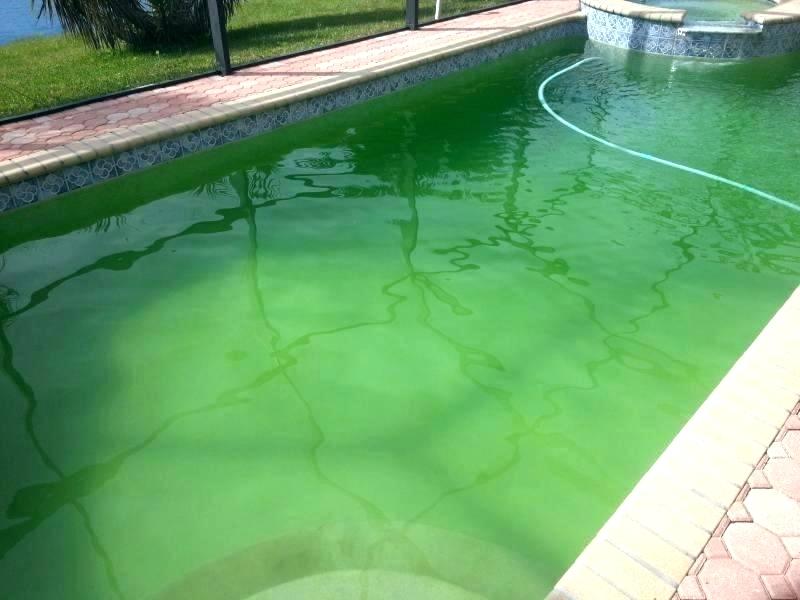
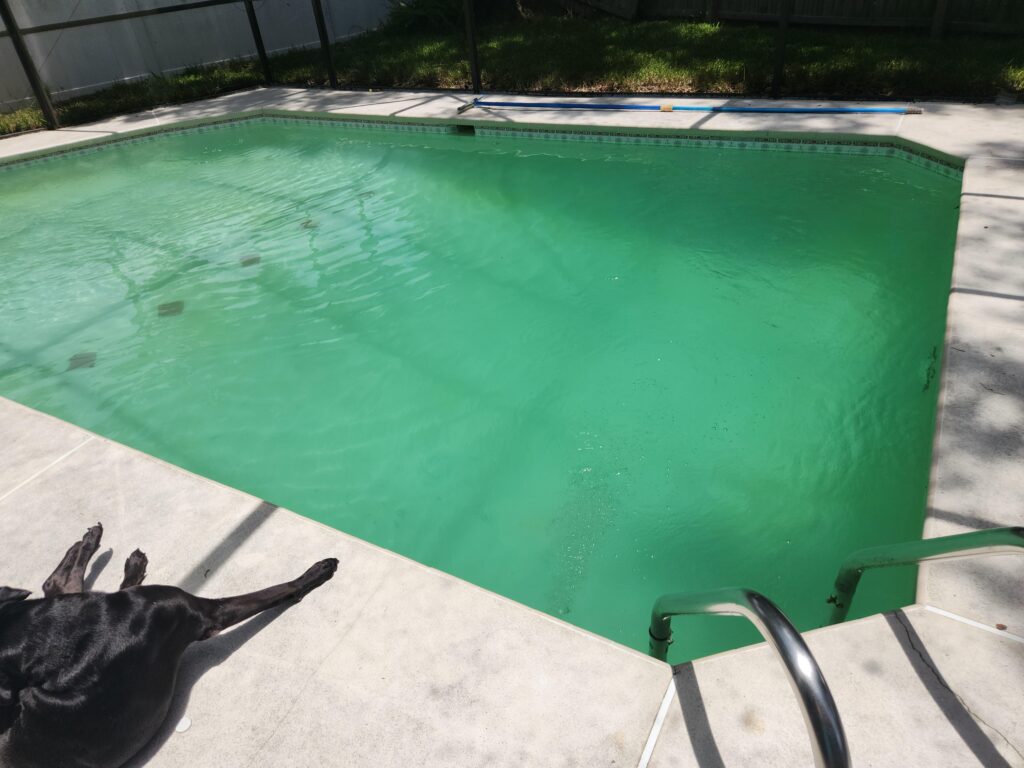
You walk out to your backyard, coffee in hand, ready to enjoy the view of your beautiful custom pool. But instead of sparkling blue water, you are greeted by a dull, cloudy haze or, worse, the creeping green tint of an algae bloom. You shock it. You scrub it. You run the filter 24/7. Yet, the algae comes back almost immediately. It is frustrating, expensive, and a complete waste of your weekend.
The culprit? It is likely something you cannot even see: phosphates.
While most homeowners in Pennsylvania focus heavily on chlorine and pH levels, phosphates often go unchecked. Think of phosphates as an all-you-can-eat buffet for algae. Even if your chlorine levels are perfect, high phosphate levels give algae the fuel it needs to survive and thrive. If you want to reclaim your backyard oasis, you have to cut off the food source.
In this guide, we will break down exactly how to get rid of phosphates in pool water, why they got there in the first place, and how to prevent pool algae from ruining your summer fun.
What Are Phosphates and Why Are They in My Pool?
Before we start pouring chemicals, it helps to understand what we are dealing with. Phosphates are chemical compounds containing phosphorus. In the natural world, they are essential nutrients for plant growth. In your swimming pool, however, they are a nuisance.
Phosphates themselves are not harmful to humans. You could swim in high-phosphate water without getting sick. The problem is that phosphates are a super-food for algae. When phosphate levels rise (typically above 100-125 parts per billion, or ppb), they create an environment where algae can grow rapidly, often outpacing your sanitizer’s ability to kill it.
Common Sources of Phosphates in Pennsylvania Pools
Living in the Northeast, specifically areas like Bucks County or the Main Line, we deal with specific environmental factors that contribute to this issue:
- Decaying Vegetation: This is the number one offender. Leaves, twigs, and acorns falling into the pool break down and release phosphates. If you have large oak or maple trees near your pool, you are at higher risk.
- Fertilizers: Runoff from your lawn or garden often contains high levels of phosphorus-based fertilizer. A heavy PA thunderstorm can wash this right into your pool water.
- Source Water: Surprisingly, some municipal water supplies and well water in our region contain phosphates. They are sometimes added to municipal water to protect pipes from corrosion.
- Bather Load: Lotions, cosmetics, hair products, and even skin cells introduce phosphates into the water.
- Pool Chemicals: Ironically, some stain and scale inhibitors are phosphoric acid-based.
Signs You Have a Phosphate Problem
You generally won’t know you have high phosphates just by looking at the water. The water might look clear, yet be a ticking time bomb for an algae bloom. However, there are tell-tale signs:
- Persistent Algae: You treat the algae, it dies, and returns a few days later.
- High Chlorine Demand: You are adding chlorine constantly, but your free chlorine levels drop rapidly. The chlorine is working overtime trying to fight the algae that the phosphates are feeding.
- Cloudy Water: The water lacks that crisp sparkle, looking a bit “milky” despite proper filtration.
- Slippery Surfaces: The pool walls feel slimy even if you don’t see visible green patches yet.
How to Test for Phosphates
You cannot guess your phosphate level. Standard test strips usually only cover pH, alkalinity, and chlorine. You need a dedicated phosphate test kit.
You can buy a digital phosphate reader or a drop-test kit at a local pool supply store. Alternatively, many pool professionals (including our team at Poseidon’s Custom Pools) can test a water sample for you.
The Magic Number: Ideally, you want your phosphates to be near 0 PPB. Anything over 100-125 PPB is considered high and requires treatment. If you are seeing levels in the 1000s, you have a significant reservoir of algae food that needs immediate attention.
Step-by-Step: How to Get Rid of Phosphates in Pool
Once you have confirmed the levels are high, it is time to act. Here is the proven process to remove phosphates and starve out that algae.
Step 1: Clean Your Filter and Skimmer
Before adding any chemicals, your filtration system needs to be running at peak performance. Empty your skimmer baskets and pump baskets. If you have a cartridge filter, rinse the cartridges thoroughly. If you have a sand or DE filter, perform a backwash. You want maximum flow and circulation.
Step 2: Balance Your Water Chemistry
Phosphate removers work best in balanced water. Ensure your pH is between 7.4 and 7.6 and your alkalinity is between 80 and 120 ppm. If your chlorine is extremely high (shock level), wait for it to drop below 5 ppm, as high chlorine can sometimes interfere with the remover’s effectiveness.
Step 3: Add Phosphate Remover
You will need a commercial phosphate remover. Always handle chemicals safely when using commercial removers. The active ingredient in most effective options is lanthanum chloride.
- Read the Label: Dosage varies by brand and by how high your phosphate levels are. Do not guess. Calculate the volume of your pool (Length x Width x Average Depth x 7.5) to get the gallonage.
- Application: Shake the bottle well. With the pump running, pour the recommended amount into the skimmer or distribute it around the perimeter of the pool.
Step 4: Run the Pump
Let your pool pump run continuously for 24 to 48 hours.
What to Expect: As the phosphate remover bonds with the phosphates, the water will likely turn very cloudy or milky. Do not panic. This is a good sign. It means the chemical is working. The remover causes the phosphates to clump together (flocculate) so your filter can catch them.
Step 5: Watch the Filter Pressure
Since your filter is trapping all this precipitated matter, the pressure gauge will rise. Check it frequently.
- If the pressure rises 8-10 psi above the starting “clean” pressure, you need to clean the filter immediately.
- You may need to backwash or rinse cartridges multiple times during this 48-hour period if your phosphate levels were very high.
Step 6: Final Clean and Retest
After 48 hours, or once the water clears up, give the filter a final, thorough cleaning. Test the water again. If levels are still above 100 PPB, you may need a second, smaller dose.
Phosphate Remover vs. Algaecide: What is the Difference?
Many homeowners confuse these two products. They serve different purposes in the battle for clear water.
| Feature | Phosphate Remover | Algaecide |
| Primary Function | Removes the food source (phosphates). | Poisons and kills the algae organism. |
| When to Use | Preventative or when phosphate levels test high. | During an active bloom or for weekly maintenance. |
| Effect on Algae | Starves it (long-term strategy). | Kills it directly (short-term attack). |
| Water Clarity | Causes temporary cloudiness during use. | Sometimes causes foaming (if low quality). |
| Best For | Stopping recurring algae growth. | Killing visible green water. |
Pro Tip: You can use both. If you have a green pool, kill the algae with chlorine and algaecide first. Once the algae is dead and filtered out, use phosphate remover to ensure it doesn’t come back.
How to Prevent Pool Algae: Long-Term Strategies
Removing phosphates is great, but keeping them out is better. If you want to know how to prevent pool algae for the long haul, you have to minimize the contaminants entering your pool.
Manage Your Landscaping
This is crucial for Pennsylvania homes. If you have overhanging branches, trim them back. The less organic matter that falls into your pool, the lower your phosphate levels will remain. In the autumn, be diligent about skimming leaves daily or invest in a high-quality pool cover.
Be Careful with Lawn Care
When fertilizing your grass, keep a wide berth around the pool deck. Granular fertilizer can easily bounce onto the patio and get tracked into the pool, or blow in with the wind. If you use a landscaping service, instruct them to be cautious near the water.
Check Your Chemicals
Some metal sequestrants (used to prevent rust stains) are phosphate-based. If you are battling high phosphates, check the labels of your other pool products. You might be accidentally adding the very thing you are trying to remove. Switch to phosphate-free scale inhibitors.
Regular Maintenance
- Weekly Skimming: Don’t let leaves sink to the bottom. Once they sink, they start decaying and releasing phosphates.
- Vacation Care: If you are going away for a week, do not just turn the pump off. Use a timer and ensure the pool is covered or has someone checking it. Algae loves a stagnant, warm pool.
- Clean the Deck: Hose down your pool deck away from the pool, not into it. Dirt and debris on the deck are full of phosphates.
Frequently Asked Questions
Can I swim while using phosphate remover?
It is generally recommended to wait until the water clears up, and the filter has been cleaned. While most phosphate removers are non-toxic, the water becomes very cloudy, which is a safety hazard because you cannot see the bottom of the pool.
Does shocking the pool lower phosphates?
No. Chlorine kills algae and bacteria, but it does nothing to phosphates. You can shock the pool until the water turns white from bleach, but the phosphates will still be there, waiting for the chlorine to drop so they can feed the next algae spore.
How often should I test for phosphates?
During the swimming season, testing once a month is sufficient. If you have had a heavy storm or a lot of debris in the pool, test it sooner.
Is 500 PPB of phosphates high?
Yes. While some pool pros might say up to 300 PPB is manageable with high chlorine, 500 PPB is definitely in the danger zone for algae growth. It is worth treating to bring it down.
Conclusion
Owning a pool in Pennsylvania should be about relaxation and family fun, not a constant battle with chemistry sets. Understanding how to get rid of phosphates in pool water is a game-changer for maintaining that sparkling, inviting look we all love. By removing the algae’s food source, you make your sanitizer’s job easier and your swim season much more enjoyable.
Remember, clear water starts with proactive care. Test your water, manage the debris, and treat phosphates before they become a problem.
Do you need help getting your pool back to perfect condition?
At Poseidon’s Custom Pools, we don’t just build award-winning backyards; we understand the science behind keeping them beautiful. If you are tired of struggling with green water or are ready to upgrade your pool experience, contact us today. Let us handle the hard work so you can just jump in.