Planning an inground pool in Pennsylvania is one of the biggest home investments you'll make — and one of the most rewarding. From navigating local permit requirements and choosing the right pool type for PA's climate, to finding a licensed builder you can trust, there's a lot to get right before a single shovel hits the ground. This guide covers everything: real costs, realistic timelines, what Pennsylvania law requires, and exactly what to look for in a pool contractor. Whether you're just exploring the idea or ready to get quotes, you're in the right place.

This guide covers everything a Pennsylvania homeowner needs before breaking ground — costs, timelines, pool types, permits, how to choose the right builder, and the most common questions PA homeowners ask. Use the section links below to jump to what matters most to you.
Pennsylvania properties range from tight suburban lots in Montgomery County to sprawling rural acres in Lancaster or York. A standard inground pool needs a minimum of roughly 1,200 square feet of clear space — but that doesn’t account for decking, fencing, or equipment pads.
Pennsylvania’s geology can surprise homeowners. Rocky terrain in the Poconos or central PA can add significant excavation costs. Clay-heavy soils common in southeastern PA require different construction techniques. Any reputable builder will assess soil conditions before quoting.
South- and west-facing pools in Pennsylvania benefit from the most afternoon sun, which directly affects water temperature and season length. Large trees near the pool can create shade, debris, and root complications during excavation.
Many PA communities — especially planned developments — have rules about pool size, fence type, and equipment visibility. Always review your deed restrictions before finalizing any design.
In Chester, Bucks, and Montgomery counties, an inground pool is often expected in higher-end homes. In colder, rural parts of PA, the resale ROI is lower. Consult a local realtor who knows your specific market before committing.
Cost is the first question every Pennsylvania homeowner asks — and rightly so. Here’s what to realistically expect in 2025.
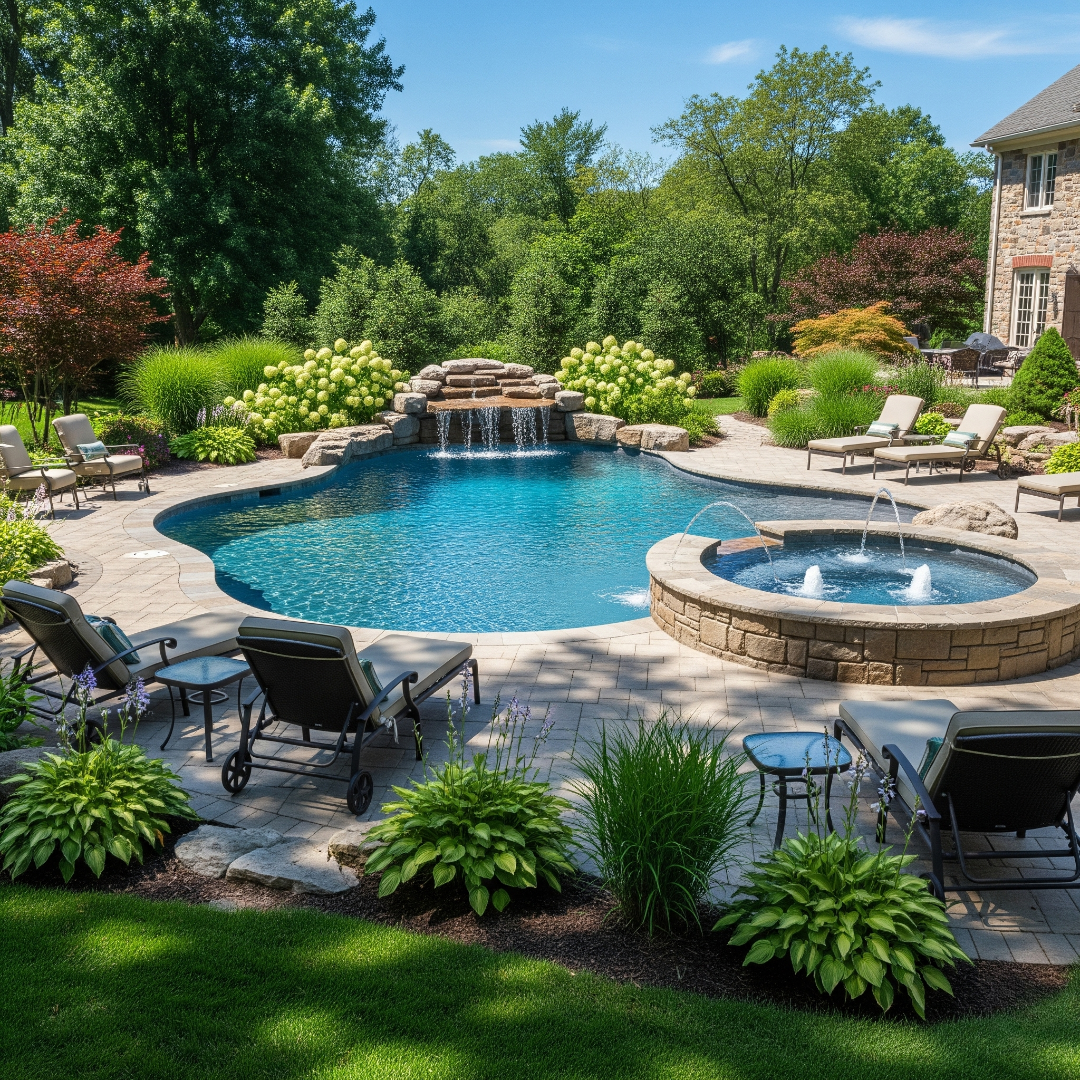
💡 Callout Box — PA Cost Tip: Pool pricing varies significantly across Pennsylvania. Southeast PA (Philadelphia suburbs) tends to run higher than central or western PA for similar pools. Always get 3 written quotes — and confirm each covers the same scope: shell, decking, fencing, permits, and startup.
See our full cost breakdown guide: How Much Does an Inground Pool Cost in Pennsylvania?
Pennsylvania homeowners have three primary options. Each has distinct advantages, limitations, and ideal use cases.
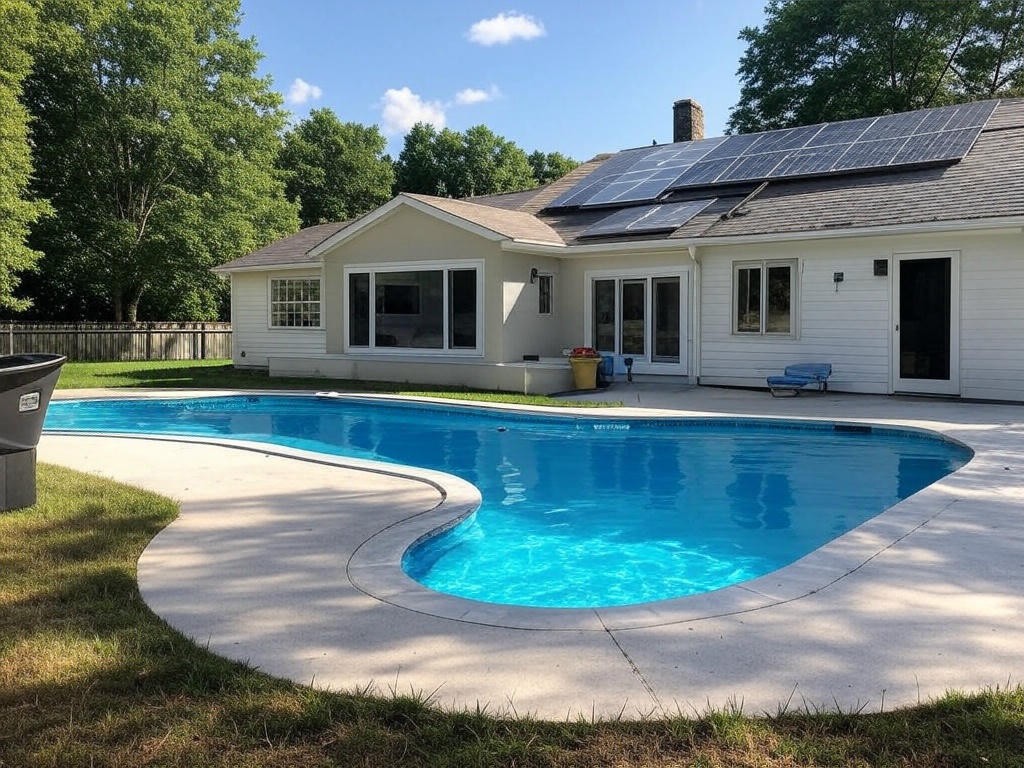
Gunite pools are the most popular choice for custom projects in PA. Concrete is sprayed over a rebar framework and plastered — allowing virtually any shape, size, or depth.
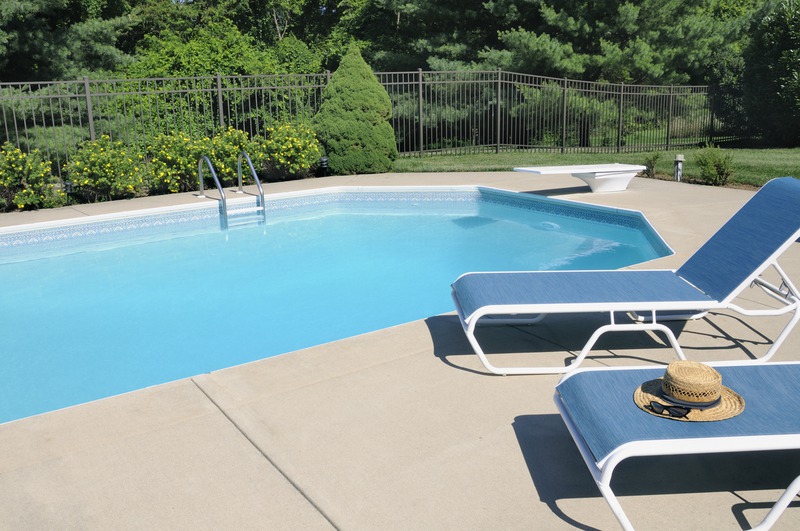
Fiberglass pools arrive as a pre-manufactured shell dropped into an excavated hole. Fastest to install and lowest ongoing maintenance.
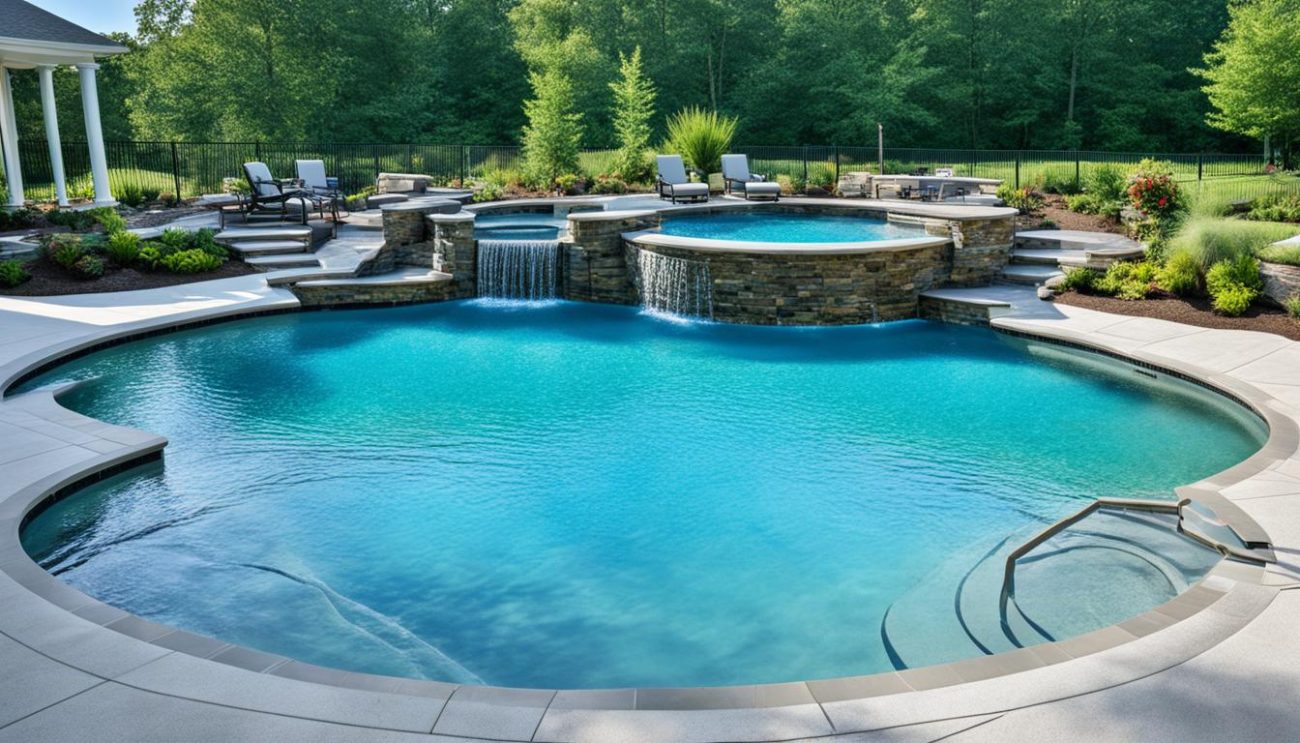
Steel or polymer wall panels with a vinyl liner as the water surface. Most budget-friendly option with a range of available shapes.
Full comparison: Gunite vs Fiberglass Pools in Pennsylvania
The ideal time to begin planning your pool is January through March. Homeowners who wait until May or June to start almost always miss summer — and are swimming the following year. Pennsylvania’s construction season is short. Plan early.
→ Full guide: Inground Pool Installation Timeline in Pennsylvania
Pennsylvania follows the International Residential Code (IRC) with additional local requirements:
Pennsylvania has 2,560 municipalities — each with its own zoning rules. What’s permitted in Lower Merion Township may differ from what’s required in Hempfield Township. Confirm requirements directly with your township’s zoning office before finalizing your design.
→ Full guide: Pennsylvania Pool Permits & Zoning Requirements





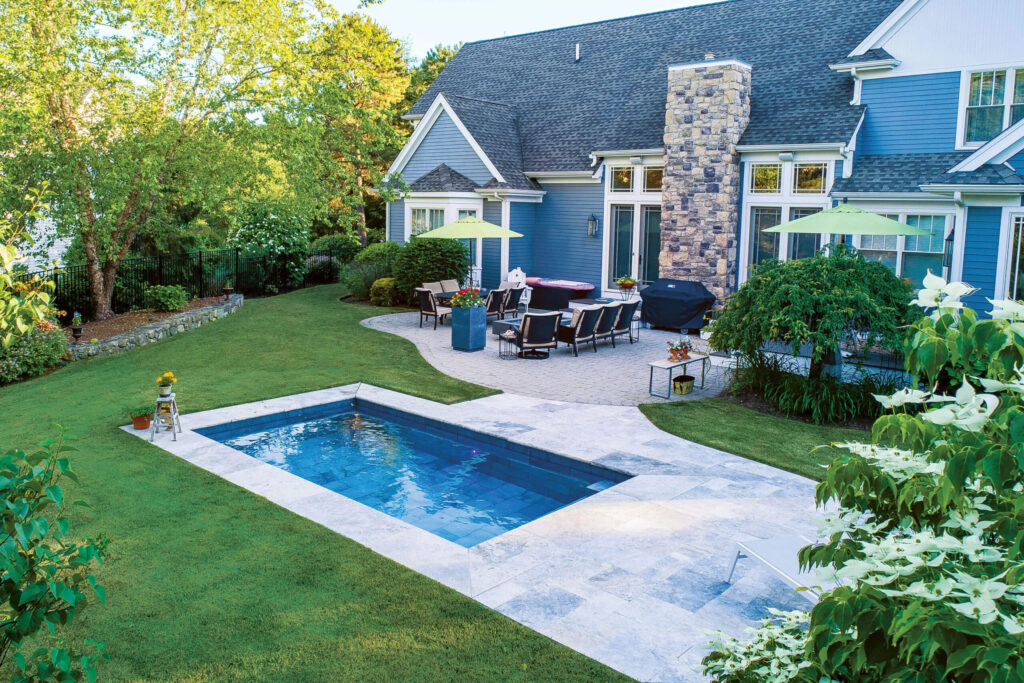
With a quality heater or heat pump, you can realistically extend the season from late May through mid-October — adding 4–6 extra weeks.
Freeze damage is one of the leading causes of expensive pool repairs in Pennsylvania. Burst pipes, cracked shells, and ruined equipment all result from improper winterization.
Pennsylvania has 2,560 municipalities — each with its own zoning rules. What’s permitted in Lower Merion Township may differ from what’s required in Hempfield Township. Confirm requirements directly with your township’s zoning office before finalizing your design.
→ Full guide: Pennsylvania Pool Permits & Zoning Requirements
A HELOC is typically the most cost-effective option for homeowners with equity — offering interest rates 2–4 points lower than unsecured personal loans. Work with your builder to time financing approval around your permit timeline so funds are available when construction begins.
From first consultation to first swim, plan for 4–6 months for a gunite pool, or 2–3 months for a fiberglass pool after permits are approved. Starting your planning in January or February gives you the best chance of swimming by July 4th.
Yes — every inground pool installation requires at minimum a building permit and electrical permit. Zoning and plumbing permits are also typically required. Permit fees range from $500–$2,500 depending on your municipality. Any contractor suggesting you skip permits should be disqualified.
All three types — gunite, fiberglass, and vinyl liner — work well in Pennsylvania when properly winterized. Gunite offers the most design flexibility and handles freeze-thaw cycles extremely well. Fiberglass offers the easiest long-term maintenance. Vinyl liner is the most budget-friendly starting point.
Expect $1,500–$3,000 per year, covering: opening ($300–$500), closing/winterization ($300–$600), weekly chemical treatment ($500–$1,000), and equipment service. A salt water system can reduce ongoing chemical costs by 40–60%.
Not comfortably without significant infrastructure. Pennsylvania winters require pools to be closed October through April. Some homeowners with indoor enclosures or heated spas extend use into fall, but outdoor inground pools are seasonal in PA.
Yes. In high-demand Philadelphia suburbs (Chester, Bucks, Montgomery, Delaware counties) and desirable Pittsburgh communities, a well-maintained pool can add 5–10% to home value. In colder, rural markets, the ROI is typically lower. Consult a local realtor familiar with your specific market.
The most important: Are you registered as a PA Home Improvement Contractor? Can you provide proof of insurance? Who does the physical installation — your crew or subcontractors? Can I see or contact references in my area? What does your warranty cover? See Part 7 for the complete list.