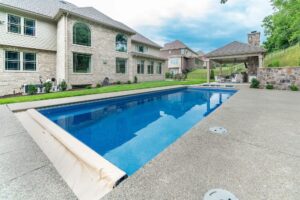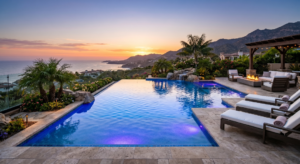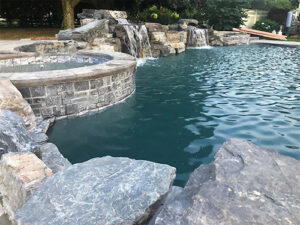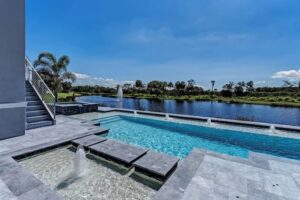
Building an inground pool transforms your Pennsylvania backyard into a private retreat, but understanding the true inground pool cost requires looking beyond advertised base prices. Whether you’re in Pittsburgh’s rolling hills or Philadelphia’s suburban neighborhoods, installation expenses vary dramatically based on soil conditions, local regulations, and material choices. This comprehensive guide breaks down every cost factor affecting residential pool installation services in Pennsylvania, from excavation challenges posed by rocky terrain to winterization requirements that protect your investment through harsh Northeast winters. You’ll learn exactly what professional pool contractors PA charge, which hidden expenses to anticipate, and how to budget realistically for your dream pool project.
Key Takeaways
- Inground pool cost in Pennsylvania averages $50,000–$80,000 for standard installations including excavation and basic equipment.
- Material choice significantly impacts price: fiberglass offers mid-range costs, vinyl provides budget-friendly options, and concrete delivers premium customization.
- Site preparation, permits, and Pennsylvania’s climate requirements add $5,000–$15,000 to base installation costs.
- Local pool installation experts can reduce long-term expenses through proper drainage planning and winterization design.
- Licensed pool builders Pennsylvania must obtain permits costing $200–$2,000 depending on municipality regulations.
Understanding Base Inground Pool Costs by Material Type
The foundation of your inground pool installation Pennsylvania budget starts with material selection. Each option offers distinct advantages that affect both upfront investment and lifetime value.
Fiberglass Pools: Mid-Range Investment
Fiberglass pools represent the middle ground in pricing and installation complexity. These pre-manufactured shells arrive at your property ready for placement, significantly reducing construction time. Pennsylvania homeowners typically invest $45,000–$75,000 for complete fiberglass installations including excavation, equipment, and basic decking.
The appeal extends beyond initial costs. Fiberglass surfaces resist algae growth better than other materials, reducing chemical consumption by approximately 30–40% according to pool industry associations. Installation typically completes within 3–5 weeks, minimizing disruption to your property.
However, size constraints exist. Most manufacturers limit fiberglass pools to 16 feet wide and 40 feet long due to transportation restrictions on Pennsylvania highways. Custom shapes remain limited to available molds.
Vinyl Liner Pools: Budget-Conscious Option
For homeowners prioritizing affordability, vinyl liner pools offer the lowest entry point. Complete installations range from $35,000–$65,000 in Pennsylvania markets, making them accessible to broader budgets.
The construction process involves building a frame structure, installing the vinyl liner, and adding necessary equipment. Best inground pool contractors PA complete vinyl installations in 4–6 weeks under normal conditions.
Maintenance considerations include liner replacement every 7–10 years at $3,500–$5,500 per replacement. While this recurring expense affects long-term budgeting, the lower initial investment helps many families achieve pool ownership sooner.
Concrete Pools: Premium Customization
Concrete pools command the highest price point but deliver unmatched design flexibility. Pennsylvania concrete installations typically cost $50,000–$100,000+, with luxury projects exceeding $150,000 when incorporating custom features.
Licensed pool builders Pennsylvania construct these pools by shooting concrete (gunite or shotcrete) over a steel rebar framework. The process allows any imaginable shape, depth, or integrated feature. Infinity edges, beach entries, integrated spas, and custom tanning ledges become achievable options.
Construction timelines extend to 8–12 weeks minimum, occasionally longer if weather disrupts the curing process. Pennsylvania’s temperature fluctuations require careful scheduling to ensure proper concrete curing.
Material Comparison Table
| Pool Type | Average Cost Range | Installation Time | Lifespan | Maintenance Level |
|---|---|---|---|---|
| Fiberglass | $45,000–$75,000 | 3–5 weeks | 25+ years | Low |
| Vinyl Liner | $35,000–$65,000 | 4–6 weeks | 20+ years (liner 7–10 years) | Medium |
| Concrete | $50,000–$100,000+ | 8–12 weeks | 50+ years | High |
Size and Depth: How Dimensions Affect Your Budget
Pool dimensions directly correlate with excavation volume, material quantities, and equipment capacity requirements. Understanding these relationships helps refine your budget expectations.
Standard Size Categories
Small pools (10×20 to 12×24 feet) suit compact yards and modest budgets. These installations typically cost $35,000–$55,000 depending on material choice. Many inground pool companies near me recommend these dimensions for properties under one-quarter acre.
Medium pools (14×28 to 16×32 feet) represent the most popular category among Pennsylvania homeowners. Prices range from $45,000–$75,000, offering sufficient space for family recreation without overwhelming smaller lots.
Large pools (18×36 feet and larger) accommodate serious swimmers and frequent entertainers. Budget expectations rise to $60,000–$100,000+ as excavation complexity, material volumes, and equipment capacity increase proportionally.
Depth Considerations
Shallow pools (3–5 feet maximum depth) cost less to construct and heat but limit diving and deep-water activities. If you need a pool primarily for young children or casual cooling, shallow designs reduce costs by 10–15%.
Standard pools (3 feet shallow end, 8 feet deep end) accommodate diverse activities and meet most families’ needs. This configuration represents the baseline for pricing estimates.
Deep pools (9–12 feet) require additional structural engineering, increased excavation, and more powerful circulation systems. Professional pool contractors PA typically add $5,000–$10,000 for depths exceeding 8 feet.
Site Preparation and Excavation: Pennsylvania-Specific Challenges
Pennsylvania’s geological diversity creates unique installation challenges that significantly impact custom inground pool construction costs.
Soil Conditions and Rock Removal
The Keystone State’s terrain includes everything from soft topsoil to solid bedrock. Central Pennsylvania’s limestone shelf and northeastern shale formations frequently require blasting or specialized excavation equipment.
Standard excavation with favorable soil conditions costs $3,000–$6,000. Rocky terrain requiring hydraulic hammers or controlled blasting increases this expense to $8,000–$15,000. Local pool installation experts assess soil conditions before providing firm quotes, often recommending geotechnical testing for properties in known rocky areas.
Slope and Grading Requirements
Properties with significant elevation changes need extensive grading and retaining wall construction. Pool builder reviews in Pennsylvania frequently mention unexpected grading costs as a primary budget concern.
Level lots require minimal grading ($1,000–$2,000). Sloped properties need cut-and-fill operations, potentially adding $5,000–$12,000 to installation costs. Severe slopes may necessitate engineered retaining walls costing $8,000–$20,000+ depending on height and length requirements.
Access and Equipment Constraints
Excavation equipment needs clear access to your backyard. Properties with limited side yards or gated rear access may require smaller equipment or hand-digging in confined areas, increasing labor costs by 20–40%.
If your property requires heavy equipment to travel through your house or requires crane services to lift materials over structures, add $2,000–$5,000 to your budget.
Permits, Regulations, and Compliance Costs
Pennsylvania municipalities enforce varying pool regulations affecting installation costs and timelines.
Building Permits
Most Pennsylvania localities require building permits for inground pool installation. Costs vary dramatically by municipality:
- Small townships: $200–$500
- Suburban municipalities: $500–$1,200
- Major cities (Philadelphia, Pittsburgh): $1,000–$2,000+
Licensed pool builders Pennsylvania handle permit applications as part of their service, but verify this inclusion in your contract. For more details on what’s required, see our guide to permits and regulations for building a pool in Pennsylvania.
Zoning and Setback Requirements
Pennsylvania properties must maintain specific distances between pools and property lines, septic systems, and structures. Typical setback requirements range from 5–20 feet depending on local ordinances.
Variance applications become necessary if your desired pool location conflicts with zoning requirements. These applications cost $300–$1,000 and may extend project timelines by 4–8 weeks.
Safety Fencing and Barrier Regulations
Pennsylvania law requires barrier protection for residential pools. Most municipalities mandate:
- Fencing at least 4 feet high surrounding the pool area
- Self-closing, self-latching gates
- Alarms on doors providing direct pool access
Safety fencing adds $3,000–$8,000 to total project costs depending on material choice and perimeter length. Chain-link represents the budget option, while ornamental aluminum or glass panels increase expenses. Learn more about essential pool safety features for Pennsylvania homeowners. For nationally recognized safety standards, refer to the U.S. Consumer Product Safety Commission’s Pool & Spa Safety Barrier Guide.
Essential Equipment and Systems Costs
Beyond the pool structure itself, several systems ensure proper operation and water quality.
Filtration and Circulation
Every pool requires a pump, filter, and plumbing system. Standard residential pool installation services include:
- Sand filters: $800–$1,500 (most affordable, requires media replacement every 5 years)
- Cartridge filters: $1,200–$2,500 (moderate maintenance, cleanable cartridges)
- DE (Diatomaceous Earth) filters: $1,500–$3,000 (superior filtration, more maintenance intensive)
Variable-speed pumps cost $800–$1,500 more than single-speed models but reduce energy consumption by 50–75%, typically paying for themselves within 2–3 years through lower electric bills.
Heating Systems
Pennsylvania’s climate limits unheated pool seasons to approximately 12–14 weeks annually. Heating systems extend usability significantly:
- Gas heaters: $2,500–$4,500 installed (rapid heating, higher operating costs)
- Heat pumps: $3,500–$6,000 installed (energy-efficient, slower heating)
- Solar heating: $3,000–$8,000 installed (lowest operating costs, weather-dependent efficiency)
If you need year-round swimming or shoulder-season use, heat pumps offer the best balance of installation cost and operational efficiency for Pennsylvania’s climate. Explore more about energy-efficient ways to heat your swimming pool. Additional energy-saving tips are available from the U.S. Department of Energy’s guide to swimming pool efficiency.
Automation and Control Systems
Basic timer systems control pump operation for $200–$400. Smart pool automation systems ($1,200–$3,000) offer remote control of pumps, heaters, lighting, and chemical dispensers through smartphone apps.
Decking, Coping, and Hardscape Expenses
The area surrounding your pool dramatically affects both aesthetics and functionality while contributing substantially to total costs.
Decking Materials and Pricing
Concrete: $6–$12 per square foot (durable, heat-retentive, versatile finishing options)
Pavers: $12–$25 per square foot (attractive, repairable, naturally slip-resistant)
Natural stone: $20–$40 per square foot (premium appearance, cool underfoot, highest investment)
Composite decking: $15–$30 per square foot (splinter-free, low maintenance, limited pool applications)
A standard 12×24 pool typically requires 400–600 square feet of decking for adequate poolside space, representing $2,400–$24,000 depending on material selection.
Coping Choices
Coping—the cap along the pool edge—provides a finished appearance and protects the pool structure. Options include:
- Poured concrete: $10–$15 per linear foot
- Precast concrete: $15–$25 per linear foot
- Natural stone: $30–$60 per linear foot
- Brick: $20–$35 per linear foot
A typical residential pool requires 100–140 linear feet of coping, adding $1,000–$8,400 to your project.
Step-by-Step Inground Pool Installation Process
Understanding the construction sequence helps manage expectations and identify potential cost variables.
Step 1: Design and Permitting (1–3 weeks)
Work with best inground pool contractors PA to finalize design specifications. Contractor obtains necessary permits and schedules utility locates. Cost impact: permit fees and design consultation.
Step 2: Site Preparation and Excavation (1–2 weeks)
Excavation crews remove soil to pool specifications. Rocky conditions extend this phase and increase costs. Plumbing lines are trenched to equipment locations.
Step 3: Pool Structure Installation (1–8 weeks)
Timeline varies dramatically by material. Fiberglass shells set in one day, vinyl frames construct over 1–2 weeks, concrete applications require 3–4 weeks plus curing time.
Step 4: Plumbing and Equipment Installation (1 week)
Professional pool contractors PA install pumps, filters, heaters, and complete all plumbing connections. Electrical work requires licensed electricians ($1,500–$3,000).
Step 5: Decking and Hardscape (1–3 weeks)
Surface materials install around the pool perimeter. Complex patterns or premium materials extend timelines.
Step 6: Startup and Commissioning (2–3 days)
Pool fills with water, chemical balance establishes, and all systems test for proper operation. Contractor provides operational training.
Step 7: Final Inspection and Closeout (1–2 days)
Municipality inspector verifies code compliance. Safety barriers and alarms undergo final checks.
For a full walkthrough of this journey, see our detailed guide on how long it takes to build a swimming pool in Pennsylvania.
Additional Features and Their Cost Impact
Optional elements transform basic pools into personalized retreats while adjusting total investment requirements.
Water Features
- Deck jets: $500–$1,200 each
- Bubblers: $400–$900 each
- Waterfalls: $1,500–$10,000+ depending on size and complexity
- Sheer descents: $1,200–$3,000 each
Discover inspiring ideas in our roundup of the top water features to enhance your custom pool design.
Lighting Systems
- LED pool lights: $700–$1,500 per light installed
- Fiber optic lighting: $2,000–$5,000 for complete systems
- Landscape lighting: $1,500–$5,000 for comprehensive poolside illumination
Entertainment Additions
- Slides: $1,000–$15,000 (residential to commercial-grade)
- Diving boards: $500–$2,500
- Basketball hoops: $200–$800
- Volleyball nets: $100–$400
Covers and Enclosures
- Solar covers: $100–$500 (retain heat, reduce evaporation)
- Safety covers: $1,200–$3,000 (winter protection, child safety)
- Automatic covers: $8,000–$15,000 (convenience, security, energy efficiency)
- Pool enclosures: $25,000–$80,000+ (year-round swimming, debris protection)
Pros and Cons of Installing an Inground Pool in Pennsylvania
Advantages
Property value increase: Well-maintained pools typically add $15,000–$50,000 to home values in Pennsylvania markets, though returns rarely match full installation costs.
Family recreation hub: Provides immediate entertainment without traveling to public facilities or seasonal beach destinations.
Health and fitness benefits: Encourages low-impact exercise accessible regardless of age or fitness level.
Cooling comfort: Pennsylvania summers regularly reach 85–95°F, making pools valuable for heat relief during July and August.
Customization possibilities: Create a backyard oasis tailored precisely to your aesthetic preferences and recreational needs.
Disadvantages
Substantial upfront investment: Even basic installations require $35,000+ capital, challenging many household budgets.
Ongoing maintenance costs: Annual expenses including chemicals, utilities, and routine maintenance average $2,500–$4,000. See our breakdown of annual pool maintenance costs in Pennsylvania.
Limited season: Without heating, Pennsylvania’s climate restricts pool use to approximately three months annually.
Insurance increases: Homeowner’s insurance typically rises $200–$500 annually due to liability concerns.
Maintenance commitment: Weekly testing, cleaning, and chemical adjustments require consistent attention throughout the season.
Resale limitations: Pools appeal to some buyers but deter others, potentially narrowing your market when selling.
Do’s and Don’ts When Budgeting for Your Pool
Do’s
Do obtain multiple quotes from at least three inground pool companies near me to compare pricing structures and service offerings.
Do allocate 15–20% contingency above contractor estimates to cover unexpected site conditions or design modifications.
Do verify contractor licensing through Pennsylvania’s state licensing board and confirm active insurance coverage.
Do consider total cost of ownership including heating, chemicals, maintenance, insurance increases, and eventual repairs or renovations.
Do plan for landscaping around your pool area, typically requiring $2,000–$8,000 to complete the visual transformation.
Do ask about financing options if paying cash creates liquidity concerns—many contractors offer payment plans or can recommend specialized pool financing. Learn more about financing options for your Pennsylvania pool.
Don’ts
Don’t accept verbal estimates without detailed written proposals specifying materials, dimensions, equipment, and warranty terms.
Don’t skip permit processes attempting to save fees—unpermitted work creates serious liability issues and complicates future home sales.
Don’t underestimate timeline realities—Pennsylvania weather frequently delays outdoor construction, so avoid scheduling pool completion for specific events.
Don’t compromise on essential safety features like fencing and alarms regardless of budget pressures.
Don’t overlook utility impacts—confirm your electrical service can handle pool equipment demands, as panel upgrades cost $1,500–$3,000.
Don’t make final payments until all inspections pass and you’ve verified proper operation of every system.
Real-World Example: Typical Pennsylvania Pool Project
Consider the Johnson family in suburban Harrisburg who recently completed their pool installation. They selected a 16×32-foot fiberglass pool with 3-foot shallow end and 6-foot deep end.
Project Breakdown:
- Fiberglass pool shell: $28,000
- Standard excavation (favorable soil): $4,500
- Equipment package (variable-speed pump, cartridge filter, heat pump): $8,500
- Electrical work: $2,200
- Permits and inspections: $650
- Concrete decking (500 sq ft): $4,500
- Safety fence (aluminum, 120 linear feet): $4,800
- Water features (two deck jets): $1,400
- LED lighting (two lights): $2,100
- Startup chemicals and initial service: $800
- Total investment: $57,450
The project took seven weeks from excavation to completion. The family reports that obtaining quotes from four different contractors revealed price variations of nearly $12,000 for essentially identical specifications, validating the importance of competitive bidding.
This example illustrates how a mid-range installation reaches nearly $60,000 once all necessary components combine into a complete, functional pool environment.
Financing Your Pennsylvania Pool Investment
Most families cannot comfortably pay pool costs from savings without financial planning.
Common Financing Approaches
Home equity loans offer fixed rates typically 6–9% with terms extending 5–15 years. The interest may qualify as tax-deductible if proceeds improve your primary residence.
Home equity lines of credit (HELOCs) provide flexible access to funds with variable interest rates, useful if you’re uncertain about final costs or plan phased improvements.
Personal loans require no home collateral but carry higher interest rates (8–16%) and shorter terms (3–7 years), increasing monthly payment obligations.
Contractor financing through partnerships with specialized lenders sometimes offers promotional periods with deferred interest, though rates after promotional periods may exceed traditional loans.
Cash-out refinancing replaces your existing mortgage with a larger loan, potentially securing the lowest rates if current mortgage rates remain favorable.
If you need financing, compare total interest costs across multiple options before committing. A seemingly small rate difference compounds significantly over multi-year terms.
Seasonal Timing and Its Cost Implications
Construction timing affects both pricing and project efficiency in Pennsylvania’s variable climate.
Optimal Construction Windows
Spring (April–May): Popular season with moderate pricing. Contractors’ schedules fill rapidly, requiring advance booking. Weather remains somewhat unpredictable.
Summer (June–August): Peak season commanding premium pricing (potentially 10–15% above off-season rates). Availability limited but weather cooperation maximizes efficiency.
Fall (September–October): Excellent construction conditions with potentially reduced pricing as contractors seek to maintain workflow before winter. Completion timing limits first-season use.
Winter (November–March): Some contractors offer 15–25% discounts for projects scheduled during slow periods, though concrete work faces curing challenges and excavation becomes difficult in frozen ground.
If you need to minimize costs and can wait for pool enjoyment, scheduling fall construction for spring completion often delivers the best pricing while ensuring readiness for peak season.
Long-Term Maintenance and Operating Costs
Beyond installation, annual operating expenses significantly impact total ownership costs.
Recurring Expenses
Chemicals: $300–$800 annually depending on pool size, usage intensity, and maintenance approach.
Utilities: $700–$2,000 annually for pump operation; add $1,000–$3,000 for gas heating or $400–$800 for heat pump operation.
Water: $200–$400 for initial fill and $100–$200 annually for evaporation replacement and backwashing.
Opening/closing service: $200–$400 per occurrence if professionally performed (most homeowners pay for both annually).
Routine maintenance supplies: $200–$400 annually for testing kits, cleaning tools, and miscellaneous supplies.
Repairs and replacements: Budget $300–$1,000 annually for inevitable equipment repairs, part replacements, and system maintenance.
Professional service: Weekly cleaning services cost $100–$200 monthly during operating season if you prefer hands-off maintenance.
Total annual costs typically range from $2,500–$4,000 for self-maintained pools to $4,000–$7,000 when outsourcing most tasks.
Choosing the Right Contractor: What to Prioritize
Contractor selection dramatically influences project satisfaction, quality, and total cost accuracy.
Essential Verification Steps
Confirm Pennsylvania contractor licensing through the state’s licensing board. Licensed professionals carry required insurance and demonstrate competency standards.
Request and verify at least three recent references. Contact previous clients to discuss timeline accuracy, communication quality, and post-installation support.
Review online pool builder reviews Pennsylvania across multiple platforms (Google, Yelp, Better Business Bureau) noting patterns in feedback rather than isolated complaints.
Examine portfolio photos showing completed projects similar to your desired pool. Quality contractors enthusiastically share previous work demonstrating their capabilities.
Contract Must-Haves
Detailed material specifications including brand names and model numbers for all equipment ensures you receive quoted quality.
Complete payment schedule tied to specific project milestones protects both parties by aligning payments with progress.
Warranty terms specifying coverage duration and scope for structure, equipment, and installation workmanship.
Project timeline with substantial completion date and process for weather-related delays.
Change order procedures establishing how modifications affecting cost or scope will be documented and approved.
If your contractor resists providing these contract elements, consider it a warning sign suggesting potentially problematic business practices.
Quick Answers – FAQ Section
How much does a basic inground pool cost in Pennsylvania?
Basic inground pools in Pennsylvania start around $35,000 for small vinyl liner installations, with most homeowners investing $45,000–$65,000 for standard mid-size pools including essential equipment and simple decking.
What pool type offers the best value in Pennsylvania?
Fiberglass pools generally provide optimal value, balancing moderate upfront costs ($45,000–$75,000) with low maintenance requirements and 25+ year lifespans, though vinyl offers lower entry costs if budget constraints are primary concerns. For a detailed comparison, see our guide on fiberglass vs. concrete pools.
Do I need a permit to build an inground pool in Pennsylvania?
Yes, nearly all Pennsylvania municipalities require building permits for inground pool installation, costing $200–$2,000 depending on location, with licensed contractors typically handling permit applications as part of their services.
How long does inground pool installation take in Pennsylvania?
Installation timelines vary by material: fiberglass pools complete in 3–5 weeks, vinyl liner pools require 4–6 weeks, and concrete pools need 8–12 weeks, with weather conditions and site complications potentially extending these timeframes.
What hidden costs should I expect with pool installation?
Common unexpected expenses include rock removal ($5,000–$12,000 in challenging terrain), electrical service upgrades ($1,500–$3,000), extensive grading on sloped lots ($3,000–$10,000), and enhanced safety features beyond basic requirements ($2,000–$5,000).
How much does pool heating cost in Pennsylvania?
Heating system installation ranges from $2,500–$8,000 depending on fuel type, with operational costs adding $1,000–$3,000 annually for gas heaters or $400–$800 annually for efficient heat pumps during extended seasons.
Will an inground pool increase my Pennsylvania home value?
Pools typically add $15,000–$50,000 to Pennsylvania home values when well-maintained, though returns rarely match full installation costs and appeal varies significantly among potential buyers based on lifestyle preferences.
When is the best time to install a pool in Pennsylvania?
Fall construction (September–October) often delivers optimal value with 10–15% potential savings compared to peak summer season while ensuring spring completion, though spring installation allows same-season enjoyment if timing is essential.
How much does annual pool maintenance cost?
Pennsylvania pool owners spend $2,500–$4,000 annually for self-maintained pools covering chemicals, utilities, and routine supplies, or $4,000–$7,000 when outsourcing weekly cleaning and professional opening/closing services.
Can I install a pool myself to save money?
DIY pool installation is technically possible for experienced individuals but rarely advisable—professional installation ensures proper engineering, code compliance, warranty coverage, and typically costs less than correcting amateur mistakes.
Glossary of Terms
Gunite: A concrete application method where dry cement mixture shoots through a hose and combines with water at the nozzle, creating the structural shell for concrete pools through pneumatic pressure application.
Coping: The capstone or edging material installed around the pool perimeter, providing a finished edge, protecting the pool structure, and offering a mounting surface for safety covers.
Skimmer: A rectangular opening in the pool wall connected to the filtration system, drawing surface water and floating debris into the filter while maintaining proper water level.
Turnover rate: The time required for the pool’s entire water volume to circulate through the filtration system once, with most residential systems designed for 8-hour turnover ensuring adequate water quality maintenance.
Conclusion
Installing an inground pool in Pennsylvania represents a substantial investment typically ranging from $35,000 to $100,000+ depending on material choices, size specifications, and site conditions. Understanding the complete cost picture—from excavation challenges posed by Pennsylvania’s diverse geology to ongoing maintenance expenses and seasonal operating costs—enables realistic budgeting and prevents mid-project financial surprises.
Material selection fundamentally affects both upfront investment and long-term satisfaction. Fiberglass delivers balanced performance, vinyl offers accessible entry pricing, and concrete provides unlimited customization for homeowners willing to invest premium dollars. Each option suits different priorities and budgets when properly matched to your specific situation.
Working with licensed, reputable contractors ensures proper installation, code compliance, and warranty protection that safeguards your investment. Competitive bidding among multiple professional pool contractors PA reveals true market pricing while comprehensive contracts protect all parties throughout the construction process.
Ready to transform your backyard into a personal oasis? Request detailed quotes from at least three local pool installation experts, verify their credentials thoroughly, and compare proposals carefully before committing. The right pool built by qualified professionals delivers decades of family enjoyment and recreational value that extends far beyond simple financial calculations.
Take the next step: Contact Poseidon pool builders Pennsylvania today for site evaluations and customized proposals based on your specific property, preferences, and budget parameters.