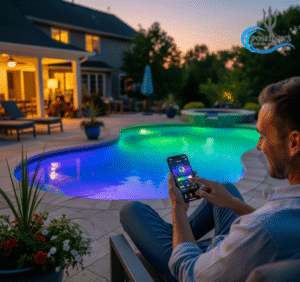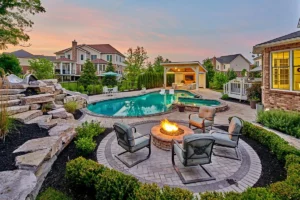
Selecting the right pool contractor represents one of the most significant decisions you’ll make during your backyard transformation. Pennsylvania homeowners invest between $35,000 and $100,000 in custom inground pool construction, making contractor selection critical to project success. The best inground pool contractors combine technical expertise, transparent communication, and proven track records to deliver pools that enhance property value and provide decades of enjoyment.
This guide walks you through the essential steps for identifying professional pool contractors PA homeowners recommend, evaluating their qualifications, and making an informed hiring decision that protects your investment.
Key Takeaways
Inspect previous installations to evaluate workmanship quality and design capabilitiesUnderstanding Pennsylvania Pool Contractor Requirements
Verify licensing and insurance before signing any contracts with pool builders
Request at least three detailed quotes from licensed pool builders Pennsylvania residents trust
Check references and portfolio to assess inground pool companies near me
Best inground pool contractors provide comprehensive warranties covering structure and equipment
Compare contract terms carefully including timeline, payment schedule, and change order policies
Licensing and Certification Standards
Pennsylvania requires pool contractors to hold specific credentials depending on project scope and municipality. The Pennsylvania Home Improvement Consumer Protection Act mandates registration for contractors performing work exceeding $5,000. Local pool installation experts must also comply with township-specific building codes and zoning regulations. You can learn more about these state-level protections on the official Pennsylvania Department of Community and Economic Development website.
Look for contractors holding certifications from the Pool & Hot Tub Alliance (PHTA), the leading industry association that sets national standards for safety and construction. These credentials demonstrate commitment to industry standards and continuing education.
Insurance Coverage Essentials
Comprehensive insurance protects homeowners from liability during residential pool installation services. Verify contractors carry:
- General liability insurance ($1-2 million minimum coverage)
- Workers’ compensation for all employees and subcontractors
- Builder’s risk insurance protecting the project during construction
- Completed operations coverage for post-installation issues
Request certificates of insurance directly from the insurance provider rather than accepting copies from the contractor.
How to Evaluate Inground Pool Contractors: Step-by-Step
Step 1: Research and Create Your Shortlist
Begin by identifying five to seven candidates through multiple channels. Search “inground pool companies near me” and cross-reference results with local business directories, neighborhood recommendations, and professional association member lists. The Better Business Bureau and Pennsylvania Attorney General’s office maintain records of complaints and legal actions.
Step 2: Conduct Initial Screening Interviews
Contact each contractor to discuss your project vision, timeline, and budget parameters. Pay attention to response time, communication clarity, and willingness to answer preliminary questions. Professional pool contractors PA residents trust will schedule on-site consultations within one week of initial contact.
Step 3: Review Portfolios and References
Request detailed portfolios showing completed projects similar to your desired design. Best inground pool contractors maintain photo galleries organized by pool type, size, and special features. Contact at least three recent clients to ask about:
- Adherence to timeline and budget
- Quality of workmanship and materials
- Problem resolution approach
- Post-installation support and warranty service
- Overall satisfaction rating
Step 4: Evaluate Design Proposals
During site visits, assess how thoroughly contractors analyze your property. Quality evaluations include soil testing, drainage assessment, utility location verification, and sun exposure analysis. Custom inground pool construction requires detailed design proposals showing:
- Scaled site plans with exact dimensions
- Cross-sectional views revealing depth and structural details
- Equipment specifications and placement
- Decking and landscaping integration
- Permit acquisition timeline
Understanding the full build process is essential—learn more in our guide to the process of building a custom pool in Pennsylvania.
Step 5: Compare Detailed Quotes
Request itemized proposals breaking down all costs. Transparent pricing separates excavation, steel installation, plumbing, electrical work, equipment, finishing, and warranty coverage. If one quote appears significantly lower than others, investigate what services or materials may be excluded. For a realistic baseline, review our comprehensive breakdown of swimming pool installation cost in PA.
Step 6: Verify Credentials and Financial Stability
Check registration with the Pennsylvania Attorney General’s office and confirm licenses remain current. Review financial stability through business credit reports or by requesting bank references. Contractors with established operations typically maintain relationships with suppliers and can negotiate better material pricing.
Step 7: Review Contract Terms Thoroughly
Before signing, ensure contracts specify payment schedules tied to completion milestones, detailed change order procedures, warranty terms, cleanup responsibilities, and dispute resolution processes. Never pay the full amount upfront—standard practice requires 10-15% deposit with subsequent payments at defined construction phases. To prepare, review our list of essential questions to ask before hiring a pool builder.
Comparing Pool Contractor Options
| Evaluation Factor | Questions to Ask | Red Flags to Avoid |
|---|---|---|
| Experience | How many pools installed annually? Years in business? | Less than 3 years operating; vague portfolio |
| Licensing | Current registration number? Township permits handled? | Unlicensed; expects homeowner to pull permits |
| Insurance | Current certificates available? Coverage amounts? | Expired policies; inadequate coverage limits |
| Warranties | Structure warranty length? Equipment coverage? | Limited to 1 year; excludes labor costs |
| Communication | Project manager assigned? Update frequency? | Delayed responses; no dedicated contact person |
| Subcontractors | Who performs specialized work? Their credentials? | Unlicensed subs; frequent crew changes |
| Timeline | Realistic completion date? Weather delay policy? | Unrealistic promises; no contingency planning |
| Payment Terms | Milestone-based schedule? Financing options? | Large upfront deposits; cash-only payments |
Contractor Selection: Pros and Cons
Working with Large Regional Firms
Pros:
- Established supply chain relationships ensure material availability
- Dedicated project management teams coordinate multiple trades
- Financial stability supports long-term warranty obligations
- Comprehensive service packages include design, installation, and maintenance
Cons:
- Higher overhead costs may increase project pricing
- Less flexibility for mid-project design modifications
- Communication may involve multiple team members rather than direct owner contact
- Standardized designs may limit true customization
Choosing Local Boutique Pool Builders
Pros:
- Direct owner involvement throughout the project
- Highly customized designs reflecting individual preferences
- Stronger community reputation incentivizes quality work
- More flexible scheduling and personalized service
Cons:
- Limited crew size may extend project timelines
- Smaller financial reserves during supply chain disruptions
- May lack specialized equipment for complex installations
- Portfolio may show fewer completed projects annually
Essential Do’s and Don’ts
Do’s for Hiring Pool Contractors
- Do verify all credentials independently through official sources
- Do request documentation of previous permits and inspections passed
- Do negotiate payment terms protecting both parties fairly
- Do obtain everything in writing, including verbal promises and modifications
- Do schedule regular on-site meetings to monitor progress
- Do research manufacturer warranties on equipment and materials specified
Don’ts When Selecting Contractors
- Don’t pay more than 15% upfront before work begins
- Don’t accept verbal agreements without written confirmation
- Don’t skip the permit process to save time or money—learn about permits and regulations for building a pool
- Don’t hire contractors pressuring immediate decisions
- Don’t ignore gut feelings about professionalism or communication style
- Don’t assume the lowest bid provides the best value
Making the Right Choice: Conditional Decision Framework
If you prioritize cutting-edge design technology and 3D visualization, choose contractors investing in advanced design software and virtual reality presentation tools.
If your property presents complex challenges like steep slopes or limited access, select specialists with documented experience handling difficult terrain and custom engineering solutions.
If you value ongoing maintenance relationships, consider contractors offering comprehensive service packages beyond installation, including opening, closing, and repair services.
If timeline matters most due to upcoming events or seasonal considerations, verify contractors have adequate crew size and equipment to meet aggressive schedules without compromising quality. Check typical expectations in our inground pool installation timeline guide.
If budget constraints limit your options, explore contractors offering phased construction approaches, allowing you to complete essential elements initially and add features incrementally. You may also want to explore financing your swimming pool to spread out costs.
Real-World Example: The Suburban Philadelphia Installation
A homeowner in Montgomery County interviewed six pool contractors for a 20×40 gunite pool with integrated spa. The selected contractor distinguished themselves by conducting soil percolation testing during the initial consultation, identifying drainage issues the homeowner hadn’t considered. This proactive approach revealed the need for a specialized drainage system, preventing future structural problems.
The contractor’s detailed proposal included a construction timeline accounting for Pennsylvania’s unpredictable spring weather, realistic budget projections with 10% contingency, and a comprehensive five-year structural warranty. The project finished on schedule, and the contractor addressed two minor punch-list items within 48 hours of final inspection.
This example illustrates how thorough pre-construction analysis and transparent communication distinguish professional contractors from those focused solely on securing deposits. Understanding material choices is also key—learn more about fiberglass vs concrete pools to know what’s being proposed.
Industry Standards and Best Practices
The Pool & Hot Tub Alliance (PHTA) establishes construction guidelines ensuring structural integrity and safety. Reputable residential pool installation services follow these standards, which address proper steel placement, gunite application thickness, plumbing system pressure testing, and electrical code compliance.
The International Code Council publishes building codes adopted by Pennsylvania municipalities, governing pool setbacks, barrier requirements, and equipment installation specifications. Licensed pool builders Pennsylvania homeowners trust maintain current knowledge of these evolving regulations.
The National Swimming Pool Foundation offers certification programs for construction professionals, covering water chemistry, hydraulic system design, and energy-efficient equipment selection. Contractors pursuing these credentials demonstrate commitment to technical excellence beyond basic licensing requirements.
Quick Answers – Frequently Asked Questions
How much should I expect to pay for an inground pool in Pennsylvania?
Basic vinyl liner pools start around $35,000, while custom gunite pools with features typically range from $60,000 to $100,000. Geographic location, size, complexity, and material choices significantly impact final costs. See our full swimming pool installation cost in PA guide for details.
How long does inground pool installation take?
Standard installations require 8-12 weeks from excavation to completion. Complex designs, adverse weather, permit delays, or custom features may extend timelines to 16 weeks. Review our complete inground pool installation timeline for phase-by-phase expectations.
Do I need permits for pool construction in Pennsylvania?
Yes. Pennsylvania municipalities require building permits for inground pools. Professional contractors handle permit applications, inspections, and final approvals as part of their service. Learn more in our guide to permits and regulations for building a pool.
What warranty coverage should I expect?
Structure warranties typically span 10-25 years for gunite pools and 25-30 years for vinyl liners. Equipment warranties range from 1-3 years. Always verify warranty transferability if you sell your home.
Should I finance through the pool contractor or my bank?
Compare both options. Contractor financing may offer promotional rates, but traditional home equity loans or HELOCs often provide lower long-term interest rates and tax advantages. Explore your options in our financing your swimming pool guide.
How do I verify a contractor’s licensing in Pennsylvania?
Check the Pennsylvania Attorney General’s website for Home Improvement Contractor registration. Verify local municipal licenses and specialized trade licenses through township offices.
What’s the difference between gunite and concrete pools?
Gunite is a specific application method for concrete, using dry-mix concrete sprayed at high pressure. The terms are often used interchangeably, though gunite typically creates stronger, more durable structures. Learn more in our comparison of fiberglass vs concrete pools.
Can contractors work year-round in Pennsylvania?
Ground conditions and weather limit pool construction primarily to April through October. Some contractors perform indoor work like planning and permitting during winter months.
What questions should I ask previous clients?
Inquire about timeline adherence, budget accuracy, communication quality, problem-solving approach, warranty responsiveness, and whether they would hire the contractor again. Use our checklist of questions to ask before hiring to guide your conversations.
How can I reduce pool installation costs without sacrificing quality?
Choose simpler shapes, standard dimensions, basic finishes, and delay non-essential features. Never compromise on structural elements, proper equipment, or installation quality to save money.
Glossary of Terms
Gunite Pool: A type of concrete pool constructed by spraying a dry concrete mixture at high pressure onto a steel-reinforced framework, creating a strong, durable shell that can be shaped into virtually any design. Learn more in our fiberglass vs concrete pools guide.
Turnkey Installation: A comprehensive service package where one contractor manages all aspects of pool construction, from design and permits through final landscaping, delivering a complete, ready-to-use pool.
Change Order: A formal written amendment to the original construction contract documenting modifications to scope, materials, timeline, or cost agreed upon by both homeowner and contractor.
Structural Warranty: A guarantee covering the pool shell’s integrity against defects in materials and workmanship, typically lasting 10-30 years depending on construction method and materials used.
Conclusion
Selecting among the best inground pool contractors in Pennsylvania requires careful evaluation of credentials, experience, communication practices, and contract terms. By following the systematic approach outlined in this guide—verifying licenses, checking references, comparing detailed proposals, and understanding warranty coverage—you protect your investment and ensure a successful project outcome.
Professional pool contractors PA homeowners trust distinguish themselves through transparent pricing, proactive problem-solving, and commitment to quality that extends beyond installation day. Take time to research thoroughly, ask detailed questions, and choose a contractor whose values and approach align with your project vision.
Ready to transform your backyard? Start your contractor search today by requesting consultations from licensed pool builders Pennsylvania residents recommend, and use this guide as your roadmap to making a confident, informed decision.