Building a custom inground pool transforms your Pennsylvania property into a personal retreat where summer memories are made and property values rise. The journey from concept to completion involves crucial decisions about pool shape, construction materials, integrated features, and compliance with state-specific building codes. Whether you’re envisioning a sleek lap pool in Philadelphia’s suburbs, a family-friendly design in Pittsburgh’s rolling terrain, or a resort-style oasis in the Pocono foothills, understanding the construction process and design possibilities ensures your investment delivers decades of enjoyment. This comprehensive guide walks you through design considerations, material comparisons, regulatory requirements, and expert insights to help you work effectively with the best inground pool contractors PA has to offer.

Key Takeaways
Essential Points for Pennsylvania Pool Projects
• Custom inground pool construction involves design, permitting, excavation, and finishing phases that typically span 8–12 weeks
• Pennsylvania homeowners should prioritize freeze-resistant materials and proper drainage systems for year-round pool integrity
• Concrete, fiberglass, and vinyl liner pools each offer distinct advantages in durability, installation time, and maintenance requirements
• Licensed pool builders in Pennsylvania must navigate local zoning laws, setback requirements, and safety fencing regulations
• Professional pool contractors PA can integrate energy-efficient heating, automated systems, and custom water features into your design
Classic Pool Shapes and Their Applications
Rectangular pools remain the most popular choice for Pennsylvania homes, offering clean lines that complement traditional and contemporary architecture. These designs maximize swimming lanes for exercise while fitting efficiently into standard lot configurations. Kidney-shaped pools provide organic curves that soften formal landscapes and accommodate integrated spa areas. Freeform designs work exceptionally well for properties with natural stone outcroppings or wooded settings, creating the illusion of a natural swimming hole.
If you need a pool primarily for fitness, choose rectangular designs measuring 40–50 feet in length. If your priority is family recreation and entertaining, consider L-shaped or geometric configurations that separate shallow play areas from deeper sections.
Terrain-Specific Design Strategies
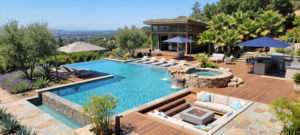
Sloped properties in areas like Allegheny County or the Lehigh Valley present opportunities for dramatic infinity edges or elevated pool decks with panoramic views. Professional pool contractors PA can engineer retaining walls and multi-level designs that turn challenging grades into distinctive features. Flat properties allow for more straightforward excavation but may require enhanced drainage systems to prevent water accumulation around the pool structure.
Material Selection: Comparing Your Construction Options
Choosing the right construction material affects your pool’s longevity, maintenance requirements, and initial investment. Each option carries specific advantages for Pennsylvania’s climate conditions.
| Material | Installation Time | Lifespan | Customization | Winter Durability | Initial Cost |
|---|---|---|---|---|---|
| Concrete (Gunite/Shotcrete) | 8–12 weeks | 50+ years | Unlimited shapes/sizes | Excellent with proper winterization | $$ |
| Fiberglass | 3–6 weeks | 25–30 years | Limited to pre-made shells | Superior freeze resistance | $ |
| Vinyl Liner | 4–8 weeks | 10–15 years (liner replacement needed) | Moderate flexibility | Good with proper installation | $$ |
Concrete Pools: Maximum Customization
Concrete construction using gunite or shotcrete methods allows inground pool companies near me to create truly custom shapes, depths, and integrated features. The material withstands Pennsylvania’s temperature fluctuations when properly finished with plaster, aggregate, or tile surfaces. Concrete pools accommodate tanning ledges, beach entries, attached spas, and complex water features that other materials cannot achieve. However, the porous nature of concrete requires regular resurfacing every 10–15 years and diligent chemical balancing to prevent algae growth.
Fiberglass Pools: Low-Maintenance Solutions
Fiberglass shells arrive as single-piece units manufactured off-site, significantly reducing installation time. The non-porous gel-coat surface resists algae growth and requires fewer chemicals than concrete alternatives. For Pennsylvania homeowners seeking minimal maintenance, fiberglass offers compelling advantages. The material’s flexibility also provides inherent resistance to ground movement during freeze-thaw cycles. Design limitations include pre-determined sizes (typically up to 16 feet wide and 40 feet long) and fixed shapes.
Vinyl Liner Pools: Budget-Conscious Choice
Vinyl liner systems feature steel, aluminum, or polymer panel walls with a fitted liner creating the water barrier. This approach delivers the lowest initial cost while still allowing considerable shape flexibility. Modern liners last 10–15 years before replacement becomes necessary, representing an ongoing expense. If you need to minimize upfront investment while still achieving a custom shape, vinyl construction provides an excellent entry point for pool ownership.
Essential Features and Upgrades for Pennsylvania Pools
Thoughtful feature selection enhances usability, energy efficiency, and aesthetic appeal while addressing the state’s distinct seasonal patterns.
Heating Systems for Extended Seasons
Pennsylvania’s swimming season naturally spans late May through early September, but heating systems extend usability into spring and fall. Gas heaters provide rapid temperature increases ideal for occasional use. Heat pumps offer energy-efficient operation for pools used regularly throughout the extended season. Solar heating systems reduce operational costs but require sufficient roof space and southern exposure. Many residential pool installation services recommend combination systems that balance efficiency with quick heating capability. Learn more about energy-efficient ways to heat your swimming pool.
Automation and Smart Controls
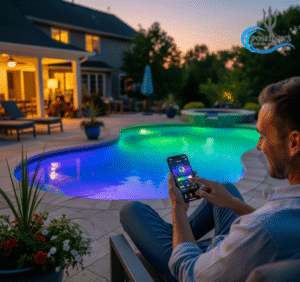
Modern pool automation manages filtration, heating, lighting, and chemical dosing through smartphone apps. These systems prove particularly valuable for Pennsylvania owners who winterize pools annually—automated systems can execute shutdown and startup sequences with precision. Variable-speed pumps controlled by automation reduce energy consumption by 50–70% compared to single-speed models, a significant consideration given Pennsylvania’s electricity rates.
Water Features and Lighting
Waterfalls, sheer descents, and deck jets create visual interest and soothing sounds. LED lighting transforms pools into evening focal points while consuming minimal energy. Perimeter overflow systems create infinity edges that highlight scenic Pennsylvania views. When selecting features, consider year-round visual appeal—illuminated water features provide winter interest even when pools are covered.
Navigating Pennsylvania Pool Regulations and Permits
Licensed pool builders Pennsylvania must navigate state and local requirements that protect safety and property values.
Zoning and Setback Requirements
Pennsylvania municipalities enforce specific setback distances from property lines, septic systems, and structures. Typical requirements mandate 10–15 feet from rear and side property lines, though exact distances vary by jurisdiction. Urban areas like Philadelphia may have more restrictive setbacks than rural townships. Verify local ordinances before finalizing design plans to avoid costly modifications. For a detailed overview of what’s required, see our guide to Pennsylvania pool permits and local regulations.
Safety Barriers and Fencing
Pennsylvania follows the International Swimming Pool and Spa Code, requiring barrier protection for residential pools. Fencing must stand at least 4 feet high with self-closing, self-latching gates. The barrier can incorporate the pool structure itself, property fencing, or a combination meeting code specifications. Some municipalities require permits for pool fencing separate from the pool construction permit. For more on safety, refer to the U.S. Consumer Product Safety Commission’s pool and spa barrier guidelines.
Electrical and Plumbing Codes
All pool electrical work must comply with the National Electrical Code as adopted by Pennsylvania. This includes GFCI protection, proper bonding of metal components, and specified distances between electrical equipment and water. Licensed contractors ensure compliance, but homeowners should verify that permits are pulled and inspections completed.
Step-by-Step: The Custom Pool Construction Process
Understanding construction phases helps you prepare for disruption and make timely decisions.
Step 1: Design and Engineering (2–4 weeks)
Work with local pool installation experts to finalize layout, materials, and features. Engineers create plans addressing drainage, utilities, and structural requirements. Submit permit applications during this phase.
Step 2: Excavation and Site Preparation (3–5 days)
Heavy equipment removes soil according to engineered specifications. Contractors verify utility locations and establish proper grades for drainage. Excavated soil may be used for landscaping or hauled away.
Step 3: Steel Installation and Plumbing (3–7 days)
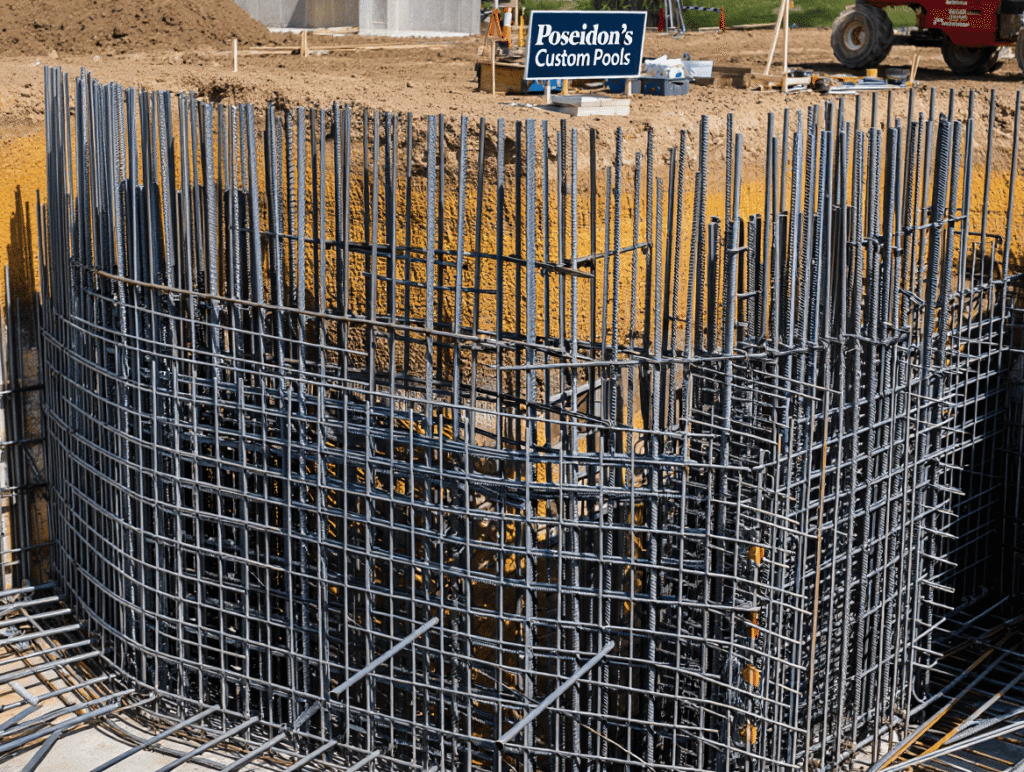
Rebar frameworks provide structural integrity for concrete pools. Main drains, return lines, and skimmer plumbing are positioned. Electrical conduits are placed for lighting and equipment.
Step 4: Shell Construction (1 day for gunite, 1 day for fiberglass setting)
Concrete pools receive sprayed gunite or shotcrete forming the structural shell. Fiberglass shells are craned into excavations and leveled precisely. Vinyl pools have wall panels assembled and braced.
Step 5: Decking and Coping Installation (1–2 weeks)
Coping caps the pool perimeter, while decking material (concrete, pavers, stone) creates surrounding surfaces. This phase greatly impacts overall aesthetics and usability.
Step 6: Equipment Installation and Finishing (1–2 weeks)
Pumps, filters, heaters, and automation equipment are installed and connected. Concrete pools receive plaster or aggregate finishes. Vinyl liners are measured, fabricated, and installed.
Step 7: Filling, Startup, and Training (2–3 days)
The pool is filled and equipment balanced. Chemistry is adjusted and homeowners receive operation training. Final inspections ensure code compliance.
For a full walkthrough of this process tailored to Pennsylvania, explore our guide to the step-by-step pool construction process in Pennsylvania.
Design Styles Trending in Pennsylvania
Pennsylvania homeowners increasingly request designs reflecting regional character and contemporary lifestyle preferences.
Naturalistic Resort-Style Pools
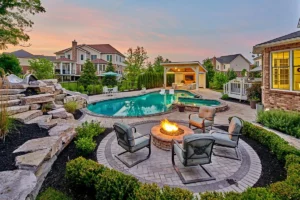
Freeform shapes with natural stone, planted perimeters, and water features create backyard retreats mimicking high-end resorts. These designs integrate particularly well with Pennsylvania’s abundant natural landscapes. Rock formations, grottos, and planted slopes blur boundaries between pool and environment. Get inspired by our collection of top custom pool designs for Pennsylvania backyards.
Modern Geometric Designs
Clean-lined rectangular or L-shaped pools with dark finishes and minimalist decking appeal to contemporary architecture prevalent in suburban developments. Perimeter overflow systems, linear fire features, and integrated spas reinforce modern aesthetics.
Classic Eastern Seaboard Style
Traditional kidney or oval shapes with brick coping, flagstone decking, and formal plantings complement Pennsylvania’s colonial and Georgian architecture. These timeless designs maintain property value and broad market appeal.
Pros and Cons of Custom Pool Construction
Pros:
- Unlimited design flexibility matching your exact property and preferences
- Higher property values, particularly in desirable Pennsylvania markets
- Personalized features addressing your specific recreational needs
- Superior materials and construction quality compared to kit pools
- Professional warranties and ongoing service relationships
Cons:
- Higher initial investment than above-ground or prefabricated options
- Extended construction timelines requiring patience and site disruption
- Ongoing maintenance responsibilities and seasonal expenses
- Potential permitting delays and regulatory compliance requirements
- Commitment to winterization protocols in Pennsylvania climate
Do’s and Don’ts for Pennsylvania Pool Projects
Do:
- Research and interview multiple pool builder reviews Pennsylvania before selecting your contractor
- Request detailed written contracts specifying materials, timelines, and payment schedules
- Plan for proper drainage directing water away from pool and structures
- Invest in quality equipment and automation for long-term savings
- Budget for professional opening and closing services initially
Don’t:
- Skip permit processes to save time—violations risk expensive corrections
- Select contractors based solely on lowest bids without verifying licenses and insurance
- Overlook winterization requirements that protect your investment
- Forget to plan for equipment access and future maintenance needs
- Ignore landscaping and privacy considerations during design phases
Case Study: Transforming a Sloped Backyard in Montgomery County
A Montgomery County family worked with professional pool contractors PA to convert a steeply sloped backyard into a multi-level entertainment space (hypothetical example for illustration). The 18×40 foot gunite pool featured an infinity edge overlooking wooded views, with the spillover captured in a lower catch basin. A raised spa connected to the pool through a spillway, while three retaining wall levels created patio spaces at different elevations. The project required specialized engineering but resulted in a unique outdoor environment that tripled the home’s usable outdoor space. The family reported that working with experienced local contractors familiar with Pennsylvania terrain challenges proved essential to success.
Cost Considerations and Budgeting
Custom inground pool construction represents a significant investment requiring comprehensive financial planning. According to industry experts, Pennsylvania pool projects typically range from $50,000 to $150,000 depending on size, materials, features, and site conditions. Concrete pools command premium pricing but deliver maximum longevity and customization. Fiberglass installations cost less than concrete while exceeding vinyl liner pricing. Beyond base construction, budget for decking ($8,000–$25,000), landscaping ($5,000–$20,000), fencing ($3,000–$8,000), and initial furniture and accessories ($2,000–$10,000).
Annual operating costs include chemicals ($300–$600), utilities ($500–$1,500 depending on heating choices), professional opening and closing ($400–$800), and routine maintenance supplies ($200–$400). Reserve funds for periodic liner replacement (vinyl pools), resurfacing (concrete pools every 10–15 years), or equipment replacement (pumps and heaters lasting 8–12 years).
For a detailed breakdown of what to expect, see our comprehensive guide to swimming pool installation costs in Pennsylvania.
Selecting the Right Pool Contractor
Your contractor selection ultimately determines project quality, timeline adherence, and long-term satisfaction. Begin by verifying Pennsylvania contractor licenses, insurance coverage, and Better Business Bureau ratings. Request references from projects completed 3–5 years ago—this timeframe reveals long-term construction quality. Review portfolios emphasizing projects similar to your vision in terrain, size, and style.
During consultations, assess communication quality, design understanding, and willingness to address concerns. The best inground pool contractors PA provide detailed written proposals specifying materials by brand and model, construction phases with timelines, payment schedules tied to completion milestones, and warranty terms. Be wary of vague proposals, pressure tactics, or contractors requiring large upfront payments.
Professional contractors maintain relationships with suppliers, inspectors, and subcontractors that facilitate smooth projects. They carry workers’ compensation insurance, obtain necessary permits, and schedule inspections appropriately. Many established firms offer design services, 3D renderings, and comprehensive project management eliminating coordination burdens from homeowners.
To find a trusted partner, start with our expert advice on finding the best pool builders in Pennsylvania.
Quick Answers – FAQ Section
How long does custom inground pool construction take in Pennsylvania?
Most projects require 8–12 weeks from excavation to completion, though timelines vary with weather, material selection, and permit processing. Fiberglass installations may complete in 4–6 weeks. See our full timeline guide for details.
Do I need a permit to build an inground pool in Pennsylvania?
Yes, virtually all Pennsylvania municipalities require building permits for inground pool construction. Contractors typically handle permit applications, but homeowners remain ultimately responsible for compliance. Learn more about essential permits you need for pool construction.
What pool type requires the least maintenance in Pennsylvania?
Fiberglass versus concrete pools is a common comparison—and fiberglass pools generally demand the least maintenance due to non-porous surfaces resisting algae growth. Automated chemical systems and variable-speed pumps further reduce maintenance time across all pool types.
Can I use my pool year-round in Pennsylvania?
While possible with enclosures and substantial heating, most Pennsylvania pools operate seasonally from May through September. Heating systems extend the season into spring and fall affordably.
How much does custom inground pool construction cost in Pennsylvania?
Complete projects typically range from $50,000 to $150,000 depending on size, materials, features, and site complexity. Concrete pools cost more than fiberglass, which exceeds vinyl liner pricing. For current pricing, consult our 2024 cost guide for PA.
What’s the best pool shape for a small Pennsylvania backyard?
Rectangular or geometric shapes maximize swimming area in compact spaces. Consider 12×24 or 14×28 foot designs with integrated spas for small lots. Explore small inground swimming pool design ideas for inspiration.
How deep should my pool be?
Most residential pools feature 3–4 feet shallow ends and 5–6 feet deep ends. Diving requires minimum 8-foot depths with specific approach distances meeting safety standards.
Do pools increase home value in Pennsylvania?
Quality pools typically increase property values by 5–8% in desirable markets, though returns vary by neighborhood and overall home value. Pools appeal to specific buyer segments.
When should I start planning for pool construction?
Begin planning in fall or winter for spring construction starts. This timing allows design refinement, contractor selection, and permit processing before optimal building seasons.
What winterization steps protect Pennsylvania pools?
Proper winterization includes lowering water levels, draining equipment, adding winterizing chemicals, and installing safety covers. Many homeowners hire professionals for comprehensive winterization ensuring spring reopening success. Our guide to seasonal pool care and winterization in Pennsylvania walks you through it.
Glossary of Terms
Gunite: A mixture of cement, sand, and water sprayed at high pressure to form pool shells, offering maximum shape flexibility and structural strength for custom designs.
Coping: The cap or edging material installed around the pool perimeter, providing a finished edge, comfortable grip area, and transition between pool and decking.
Turnover Rate: The time required for the entire pool volume to pass through the filtration system once, typically 8–12 hours for residential pools, ensuring proper water quality.
Winterization: The process of preparing pools for freezing temperatures by draining equipment, lowering water levels, adding chemicals, and installing covers to prevent damage during Pennsylvania winters. See our full guide to seasonal pool care and winterization in Pennsylvania.
Conclusion
Custom inground pool construction transforms Pennsylvania properties into private retreats while requiring careful attention to design, materials, and regulatory compliance. By understanding the distinctions between concrete, fiberglass, and vinyl construction, you can select materials matching your budget, aesthetic preferences, and maintenance expectations. Working with licensed pool builders Pennsylvania ensures proper permitting, code compliance, and construction quality that withstands the state’s demanding freeze-thaw cycles. Whether you envision a modern geometric design in suburban Philadelphia, a naturalistic resort-style retreat in the Laurel Highlands, or a classic pool complementing your colonial home, thorough planning and professional execution deliver decades of enjoyment and enhanced property value.
Ready to begin your custom pool journey? Connect with experienced local pool installation experts who understand Pennsylvania’s unique requirements and can transform your backyard vision into reality.