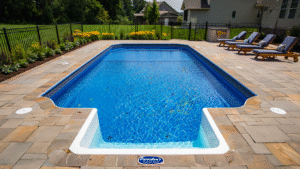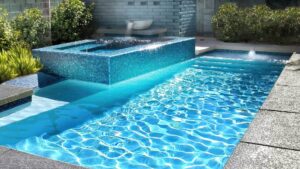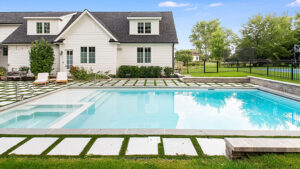
Building an inground pool represents one of the most significant investments a Pennsylvania homeowner can make in their property. The decision extends beyond simply digging a hole and filling it with water—it requires careful contractor selection, thorough planning, and understanding of local regulations. Whether you’re envisioning a classic rectangular design in the suburbs of Philadelphia or a custom freeform oasis in the Pocono Mountains, choosing the right inground pool builders determines whether your backyard transformation becomes a dream realized or a costly nightmare.
Pennsylvania’s climate, soil conditions, and municipal requirements create unique considerations that separate qualified local contractors from inexperienced installers. This guide provides actionable insights to help you navigate the selection process, avoid common pitfalls, and ensure your pool installation meets both your expectations and state standards.
Key Takeaways
- Verify licensing and insurance before signing contracts with any inground pool builders in Pennsylvania
- Compare at least three detailed quotes to understand fair pricing for custom inground pool construction
- Check contractor references and reviews from recent Pennsylvania pool installation projects
- Understand permit requirements vary by municipality across PA for residential pool installation services
- Request written warranties covering both materials and workmanship from professional pool contractors PA
- Plan for 8–12 week installation timelines during peak season with local pool installation experts
Understanding Pennsylvania’s Pool Installation Landscape
Regional Considerations Across the Commonwealth
Pennsylvania’s diverse geography affects pool construction methods. Southeastern counties like Chester and Montgomery typically feature clay-heavy soils requiring specific excavation techniques, while western regions near Pittsburgh may encounter bedrock that increases installation complexity. Northern counties experience harsher winters, making winterizing your pool in Pennsylvania essential when selecting inground pool companies near me.
Licensed pool builders Pennsylvania must understand these regional differences. A contractor experienced in your specific area brings knowledge of local soil composition, water table levels, and freeze-thaw cycles that impact long-term pool integrity.
Licensing and Regulatory Framework
Pennsylvania requires contractors performing work exceeding $5,000 to register with the state’s Attorney General’s Office under the Home Improvement Consumer Protection Act. However, pool installation often falls into a regulatory gray area. Many municipalities require specific permits, and some larger jurisdictions mandate additional contractor licensing.
Always verify that your chosen contractor maintains proper registration—you can check this through Pennsylvania’s official contractor registry—carries general liability insurance of at least $1 million, and provides workers’ compensation coverage for all employees. Request copies of these documents before signing any agreement.
How to Vet Inground Pool Contractors: A Step-by-Step Process
Step 1: Create Your Initial Candidate List
Start by identifying 5–7 potential contractors through:
- Recommendations from neighbors who recently installed pools
- Local home show exhibitors
- Professional associations like the Pool & Hot Tub Alliance (PHTA)
- Online review platforms with verified customer feedback
Step 2: Conduct Preliminary Research
For each candidate, investigate:
- Years in business specifically in Pennsylvania
- Physical business address (avoid contractors operating only from cell phones)
- Better Business Bureau rating and complaint history
- Online reviews across multiple platforms
- Portfolio of completed projects in your region
Step 3: Schedule On-Site Consultations
Arrange meetings with at least three contractors. During consultations, assess:
- Professionalism and punctuality
- Willingness to answer technical questions
- Knowledge of local permit requirements
- Ability to provide specific recommendations for your property
Step 4: Request Detailed Written Proposals
Each proposal should include:
- Complete scope of work with materials specifications
- Project timeline with milestone dates
- Payment schedule tied to completion stages
- Warranty information for materials and labor
- Permit acquisition responsibilities
Step 5: Check References Thoroughly
Contact at least three recent customers for each finalist. Ask about:
- Adherence to timeline and budget
- Communication throughout the project
- Quality of workmanship
- How the contractor handled unexpected issues
- Satisfaction one year after completion
Step 6: Verify Credentials and Insurance
Before signing, confirm:
- Current registration with PA Attorney General’s Office
- Active general liability and workers’ compensation insurance
- Any relevant certifications from pool industry associations
- Standing with local building departments
Cost Analysis: What to Expect for Pennsylvania Pool Installation
| Pool Type | Average Cost Range | Installation Timeline | Best For |
|---|---|---|---|
| Vinyl Liner | $35,000 – $65,000 | 4–6 weeks | Budget-conscious homeowners seeking customization |
| Fiberglass | $45,000 – $85,000 | 2–4 weeks | Quick installation, low maintenance preference |
| Gunite/Concrete | $60,000 – $120,000+ | 8–12 weeks | Maximum design flexibility, premium features |
Costs vary significantly based on size, depth, shape complexity, site accessibility, and additional features like waterfalls, lighting, or heating systems. Properties requiring extensive grading, retaining walls, or utility relocation increase total investment.
Factors specific to Pennsylvania that affect pricing include:
- Frost depth requirements mandating deeper excavation
- Seasonal demand creating premium pricing May through August
- Municipal permit fees ranging from $200 to $1,500
- Soil conditions requiring specialized equipment
For a deeper look at what influences your final price, explore our full guide to the cost of installing a pool in Pennsylvania.
Comparing Pool Builder Credentials and Specializations
Do’s When Evaluating Contractors
Do prioritize contractors who specialize exclusively in pool installation rather than general landscaping companies offering pools as a side service.
Do ask about subcontractor usage and verify those subcontractors also carry proper insurance and licensing.
Do request proof of manufacturer certifications, which indicate proper training in specific pool installation methods.
Do insist on a detailed contract that includes change order procedures and dispute resolution processes.
Do establish a clear communication protocol identifying who your primary contact will be throughout the project.
Don’ts That Signal Red Flags
Don’t accept verbal agreements or vague proposals lacking specific materials and timelines.
Don’t pay more than 10% as an initial deposit—excessive upfront payments often indicate cash flow problems.
Don’t skip the permit process even if a contractor suggests it to “save money and time.” Learn more about Pennsylvania pool permit requirements to avoid legal and safety risks.
Don’t assume the lowest bid represents the best value without understanding what’s excluded from the scope.
Don’t rush the selection process during peak season pressure—a quality installation is worth the wait.
Pros and Cons of Different Pool Builder Types
Large National Franchises
Pros:
- Established systems and quality controls
- National warranty programs
- Professional marketing materials and 3D design tools
- Structured project management
Cons:
- Higher overhead reflected in pricing
- Less flexibility for custom requests
- Project may be subcontracted to local installers
- Corporate decision-making can slow responsiveness
Local Independent Contractors
Pros:
- Direct communication with decision-makers
- Greater flexibility for design modifications
- Personal investment in local reputation
- Often more competitive pricing
Cons:
- Variable quality control systems
- Limited resources for complex projects
- Business continuity concerns for warranty service
- May lack advanced design technology
Pool Design-Build Firms
Pros:
- Integrated design and installation services
- Expertise in complex custom projects
- Single point of accountability
- Often include landscaping coordination
Cons:
- Premium pricing structure
- Longer design phase before construction begins
- May push toward higher-end options
- Limited availability during peak season
Navigating Pennsylvania’s Permit and Inspection Process
Pennsylvania municipalities maintain individual authority over pool permitting, creating variation across the state. However, common requirements include:
Setback Requirements: Most jurisdictions require pools to be at least 5–10 feet from property lines, with greater distances from structures.
Fencing Regulations: State law mandates barriers at least 4 feet high with self-closing, self-latching gates to prevent unsupervised child access—consistent with U.S. CPSC pool safety guidelines.
Electrical Inspections: Licensed electricians must install pool electrical systems, which require separate inspection approval.
Health Department Approval: Some counties require health department plan review before permit issuance.
Professional pool contractors PA should handle permit applications as part of their service. If a contractor suggests skipping permits, find another installer—unpermitted pools create liability issues, complicate property sales, and may require expensive corrections.
Conditional Decision-Making for Pennsylvania Homeowners
If you prioritize speed and minimal yard disruption, choose fiberglass pools from contractors with established manufacturer relationships and quick installation capabilities. Learn how fiberglass vs. concrete pools compare in performance and cost.
If your budget is constrained but you want customization, vinyl liner pools offer design flexibility at lower price points, though they require liner replacement every 7–10 years.
If you’re building a luxury outdoor living space, gunite pools provide unlimited design options and integrate seamlessly with features like infinity edges, beach entries, and custom lighting.
If your property has challenging access or significant slope, seek contractors with specialized equipment experience and provide detailed site assessments before quoting.
If you live in northern Pennsylvania, prioritize builders experienced with cold climate considerations including proper winterization systems and freeze-resistant plumbing installations.
If you plan to sell your home within five years, consult with local real estate professionals about pool ROI in your specific market before proceeding.
Real-World Scenario: The Harris Family Pool Project (Hypothetical Example)
The Harris family in Bucks County wanted an inground pool for their half-acre property. They interviewed five contractors, receiving quotes ranging from $42,000 to $78,000 for similar 16×32 vinyl liner pools.
The lowest bidder lacked proper insurance documentation and became defensive when asked about warranties. The highest bidder included premium upgrades the family didn’t request. They selected a mid-range contractor at $54,000 who provided detailed references, clear timelines, and transparent communication.
During excavation, the contractor encountered unexpected bedrock requiring additional equipment rental. Because their contract included clear change order procedures, the family understood the $3,200 additional cost was legitimate rather than contractor error. The project finished one week beyond the original timeline due to weather delays, but the contractor proactively communicated throughout.
Two years later, the Harris family reports complete satisfaction with their pool and appreciates that their contractor returns calls promptly for minor warranty questions.
Industry Insights: What Pool Professionals Recommend
The Pool & Hot Tub Alliance and regional contractor associations emphasize several best practices for consumers:
Research indicates that homeowners who interview at least three contractors and check multiple references experience significantly higher satisfaction rates. Industry experts suggest that communication style during the proposal phase accurately predicts communication throughout installation.
Many professional pool contractors PA recommend spring installation starts (April–May) when contractors have greater availability, weather is suitable, and completion occurs before peak summer heat. However, off-season planning during winter months often yields better pricing and contractor availability for the following season.
The Association of Pool & Spa Professionals notes that the most common homeowner regrets involve undersizing the pool or skimping on essential features like proper lighting or adequate decking space. Working with experienced inground pool installation Pennsylvania contractors helps avoid these costly oversights.
Quick Answers – Frequently Asked Questions
How long does inground pool installation take in Pennsylvania?
Typical installation ranges from 4–12 weeks depending on pool type, weather conditions, and complexity. Fiberglass pools install fastest (2–4 weeks), while custom gunite pools require 8–12 weeks for proper curing. See our detailed breakdown of the typical pool construction timeline in Pennsylvania.
Do I need a permit to install an inground pool in Pennsylvania?
Yes, virtually all Pennsylvania municipalities require building permits for inground pool installation. Requirements vary by location, so verify specific regulations with your local building department—or review our guide to Pennsylvania pool permit requirements.
What’s the best time of year to install a pool in PA?
Late spring through early fall (April–October) provides optimal weather conditions. Starting in May typically ensures completion before peak summer, though contractor availability is best in April or September.
How do I verify a pool contractor’s license in Pennsylvania?
Check registration with the PA Attorney General’s Office Home Improvement Contractor Registry. Additionally, verify municipal licensing requirements in your specific jurisdiction.
What warranty should I expect from inground pool builders?
Reputable contractors provide 1–3 year workmanship warranties, while material warranties vary by component. Vinyl liners typically carry 20–25 year prorated warranties, pumps and equipment 1–3 years, and structural components up to lifetime warranties.
Can I finance inground pool installation?
Many contractors partner with financing companies offering pool-specific loans. Additionally, home equity lines of credit or home improvement loans through banks provide financing options for residential pool installation services.
What’s included in a standard pool installation contract?
Complete contracts include excavation, pool installation, plumbing, electrical work, decking, equipment, basic landscaping restoration, permit acquisition, and specified warranties. Verify all components in writing before signing.
How much should I budget beyond the pool installation cost?
Plan for 15–25% additional budget for landscaping, fencing, furniture, accessories, and first-year chemicals and maintenance equipment not included in base installation pricing.
What happens if I encounter problems after installation?
Contact your contractor immediately to document issues. Reputable builders respond promptly to warranty concerns. For disputes, Pennsylvania’s Home Improvement Consumer Protection Act provides legal recourse.
Should I get multiple quotes for pool installation?
Absolutely. Industry best practice recommends comparing at least three detailed proposals to understand fair pricing, scope variations, and contractor professionalism before making your decision. Use our guide to how to choose the right pool builder in Pennsylvania to evaluate your options wisely.
Glossary of Terms
Gunite: A specialized concrete mixture sprayed under high pressure to form pool shells, offering maximum design flexibility and durability. Also called shotcrete, this method creates custom shapes and allows for complex features.
Skimmer: A pool component that draws water from the surface into the filtration system, removing debris like leaves and insects. Most pools include one or two skimmers depending on size.
Bonding: An electrical safety requirement connecting all metal components around the pool to prevent electrical shock hazards. Pennsylvania building codes mandate proper bonding for all pool installations.
Winterization: The process of preparing a pool for freezing temperatures by draining equipment, blowing out lines, and adding antifreeze where necessary. Critical in Pennsylvania’s climate to prevent freeze damage. Learn more in our guide to winterizing your pool in Pennsylvania.
Conclusion
Selecting qualified inground pool builders transforms your backyard vision into reality while avoiding costly mistakes and frustrating delays. Pennsylvania homeowners benefit from prioritizing licensed, insured contractors with regional experience, verified references, and transparent communication practices.
The investment in thorough contractor vetting—checking credentials, comparing detailed proposals, and conducting reference interviews—pays dividends through quality installation, reliable warranty service, and long-term pool enjoyment. Remember that the lowest bid rarely represents the best value, and rushing the selection process to meet summer deadlines often leads to regrets.
Ready to start your pool project? Contact three licensed inground pool builders in Pennsylvania today for on-site consultations and detailed proposals. Your dream backyard oasis awaits with the right professional partner.